How Exercise Became My Daily Armor Against Illness
For years, I ignored exercise, thinking it was just about looks. But when colds hit harder and energy dipped, I realized something had to change. I started small—walking, then stretching, then strength moves. Over time, my body felt stronger, not just physically, but in how it fought off sickness. Science backs this: regular movement boosts immunity, balances hormones, and reduces inflammation. This isn’t about extreme workouts—it’s about consistent, smart movement as a shield. Let me walk you through how exercise quietly became my most powerful prevention tool.
The Wake-Up Call: When Health Starts to Slip
There comes a moment—often quiet and unannounced—when the body begins to signal that something is off. It might start with a cold that lingers two weeks instead of seven days. Or the fatigue that doesn’t lift, even after a full night’s sleep. For many women between 30 and 55, these signs are easy to dismiss. After all, life is busy. There are meals to prepare, children to drive, careers to manage, and homes to maintain. But beneath the surface, a subtle shift is occurring.
The truth is, the body’s resilience naturally declines with age, especially when paired with long periods of inactivity. In youth, recovery from illness feels almost automatic. A fever breaks, energy returns, and life resumes without much thought. But as the years pass, the immune system becomes less responsive, metabolic rate slows, and inflammation can quietly build. These changes are not dramatic at first, but over time, they accumulate. What once felt like a temporary slump becomes a persistent pattern of low energy, frequent infections, and slower healing.
Modern lifestyles often make this worse. Many spend eight or more hours a day seated—driving, working at desks, or relaxing in front of screens. This sedentary behavior is now recognized as a major health risk, independent of whether someone exercises occasionally. Studies show that prolonged sitting is linked to higher levels of C-reactive protein, a marker of systemic inflammation, and reduced immune cell circulation. In essence, the body begins to operate in a state of low-grade defense, always slightly on guard but never fully capable of mounting a strong response.
The turning point for many comes not from a single diagnosis, but from a series of small, nagging discomforts. Joint stiffness in the morning. Difficulty catching breath while climbing stairs. A cold that turns into bronchitis. These are not signs of aging to be accepted passively—they are signals that the body needs support. And one of the most effective forms of support is not found in a bottle or a doctor’s prescription, but in movement. Exercise, when done consistently, becomes a form of daily maintenance, like brushing your teeth or eating balanced meals. It is not about achieving a certain appearance, but about preserving function, energy, and long-term health.
Exercise Isn’t Just for Fitness—It’s Immune Defense
Most people think of exercise as a way to manage weight or build strength. But its role in immune health is just as critical, though less visible. When you move your body, a cascade of biological events begins—each one strengthening your ability to resist illness. The immune system, far from being a static defense force, is highly responsive to physical activity. In fact, research shows that even a single session of moderate exercise can increase the circulation of immune cells such as neutrophils, natural killer cells, and T-cells, which patrol the body for viruses and abnormal cells.
One of the key mechanisms is improved blood and lymph flow. Unlike the circulatory system, which has the heart as a pump, the lymphatic system relies on muscle contractions to move fluid. When you walk, stretch, or lift, you’re essentially helping your lymph nodes filter pathogens more efficiently. This means that bacteria and viruses are detected and neutralized faster. Over time, regular movement trains the immune system to respond more quickly and effectively, reducing both the frequency and severity of infections.
Another major benefit is the reduction of chronic inflammation. While acute inflammation is a necessary part of healing, long-term, low-level inflammation is linked to a host of chronic diseases, including heart disease, type 2 diabetes, and certain cancers. Exercise helps regulate the body’s inflammatory response by lowering levels of pro-inflammatory cytokines and increasing anti-inflammatory molecules. It also helps manage body fat, particularly visceral fat, which is metabolically active and produces inflammatory substances.
Equally important is exercise’s effect on stress hormones. Cortisol, often called the “stress hormone,” plays a vital role in the body’s fight-or-flight response. But when cortisol remains elevated due to chronic stress—common in modern life—it can suppress immune function. Physical activity helps regulate cortisol levels by promoting the release of endorphins and other mood-stabilizing chemicals. It doesn’t eliminate stress, but it helps the body recover from it more efficiently. In this way, exercise acts not just as a physical booster, but as an emotional regulator, supporting both mental and immune health.
The Sweet Spot: Types of Movement That Prevent Disease
Not all exercise delivers the same benefits, and understanding the unique role of different types of movement can help create a more effective, balanced routine. The goal is not to do more, but to do the right kinds of movement consistently. A well-rounded approach includes aerobic activity, strength training, flexibility work, and balance exercises—each contributing to a stronger, more resilient body.
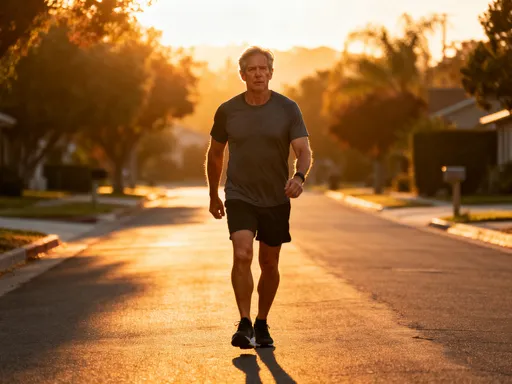
Aerobic or cardiovascular exercise—such as brisk walking, cycling, or swimming—is especially effective at enhancing heart and lung function. When performed at moderate intensity for at least 150 minutes per week, as recommended by health organizations, it improves oxygen delivery, lowers blood pressure, and increases the efficiency of the immune system. Studies show that people who engage in regular aerobic activity experience fewer upper respiratory infections and recover faster when they do get sick. The key is consistency: a 30-minute walk five days a week offers more protection than an intense two-hour workout once a week.
Strength training, often overlooked by women, is equally vital. As we age, muscle mass naturally declines—a process called sarcopenia. This loss affects more than physical strength; it slows metabolism, reduces insulin sensitivity, and weakens the body’s ability to recover from illness. Resistance exercises, whether using body weight, resistance bands, or light weights, help preserve and rebuild muscle. Just two sessions per week can make a measurable difference in metabolic health and functional independence. For many women, the idea of lifting weights may seem intimidating, but even simple movements like squats, wall push-ups, or step-ups can build strength safely and effectively.
Flexibility and balance exercises, such as yoga or tai chi, may not seem directly related to disease prevention, but they play a crucial supporting role. Improved flexibility reduces the risk of injury, making it easier to stay active over time. Balance training lowers the risk of falls, which becomes increasingly important with age. Additionally, these practices often incorporate mindful breathing and relaxation, which further support immune and nervous system regulation. Together, these four types of movement form a comprehensive defense system—one that protects not just against illness, but against the gradual decline that can make illness harder to overcome.
Consistency Over Intensity: Building a Sustainable Routine
The most effective exercise habit is not the one that pushes you to exhaustion, but the one you can maintain for years. Many people begin with enthusiasm, signing up for intense programs or early-morning workouts, only to burn out within weeks. The real power of exercise lies not in how hard you go, but in how often you show up. Research consistently shows that moderate, regular activity provides greater long-term health benefits than sporadic, high-intensity efforts.
Building consistency starts with small, manageable changes. The concept of habit stacking—linking a new behavior to an existing one—can be highly effective. For example, doing a few minutes of stretching after brushing your teeth, or taking a short walk after dinner, turns exercise into a natural part of daily life. Scheduling movement like any other important appointment also increases follow-through. When it’s written in the calendar, it becomes a commitment, not an option.
Another key is choosing activities that are enjoyable. Exercise should not feel like punishment. For some, that means dancing in the living room to favorite songs. For others, it might be gardening, playing with children, or walking while on phone calls. The form doesn’t matter as much as the frequency. When movement is tied to pleasure rather than obligation, it becomes self-reinforcing. Over time, the body begins to crave the energy boost and mental clarity that follow physical activity.
It’s also important to let go of perfection. Missing a day is not failure. Exercising for just 10 minutes still counts. The goal is progress, not perfection. Women in their 30s, 40s, and 50s often carry high expectations for themselves—in parenting, work, and self-care. But when it comes to health, kindness and patience yield better results than rigid discipline. By treating exercise as a form of self-respect rather than a chore, it becomes something to look forward to, not avoid.
The Hidden Benefits: Sleep, Mood, and Metabolism
While the immune-boosting effects of exercise are significant, its influence extends far beyond infection prevention. Physical activity plays a central role in regulating three foundational aspects of health: sleep, mood, and metabolism. Each of these, in turn, supports the body’s ability to stay well and recover quickly when challenged.
Sleep quality is deeply connected to immune function. During deep sleep, the body produces cytokines, proteins that help fight infection and inflammation. Poor or fragmented sleep reduces this production, weakening defenses. Exercise helps regulate the sleep-wake cycle by increasing time spent in restorative sleep stages. Even moderate activity, such as a daily walk, has been shown to help people fall asleep faster and stay asleep longer. The key is timing—vigorous exercise too close to bedtime may be stimulating for some, so morning or afternoon activity is often ideal.
Mood is another area where exercise has a powerful, though often underappreciated, impact. Anxiety and depression are not just emotional states; they are linked to measurable changes in the body, including elevated inflammation and reduced immune cell activity. Physical activity helps break this cycle by increasing the production of serotonin, dopamine, and endorphins—chemicals that promote feelings of calm and well-being. It also provides a mental break from daily stressors, offering a form of moving meditation. Over time, regular movement can reduce the frequency and intensity of anxious thoughts, creating a calmer internal environment where the immune system can function more efficiently.
Metabolism, particularly insulin sensitivity, is another critical factor. Insulin is the hormone that helps cells absorb glucose from the bloodstream. When cells become resistant to insulin, blood sugar remains high, increasing the risk of type 2 diabetes and other metabolic disorders. Exercise improves insulin sensitivity immediately after a session and continues to have benefits with regular practice. Both aerobic and resistance training help muscles take up glucose more effectively, reducing the burden on the pancreas and lowering systemic inflammation. This metabolic regulation is one of the reasons why active individuals have a lower risk of chronic disease, even if other factors like diet or genetics are not perfect.
Science-Backed Insights: What Research Really Says
The connection between exercise and disease prevention is not based on anecdote—it is supported by decades of rigorous scientific research. While no single factor can guarantee perfect health, the evidence overwhelmingly shows that regular physical activity significantly reduces the risk of many of the leading causes of illness and death.
Studies tracking hundreds of thousands of adults over time have found that those who meet recommended activity levels have a 20 to 30 percent lower risk of cardiovascular disease. This includes conditions like heart attack and stroke, which remain the leading cause of death among women worldwide. Exercise improves blood pressure, reduces bad cholesterol (LDL), increases good cholesterol (HDL), and enhances the flexibility of blood vessels—all of which contribute to a healthier heart.
When it comes to type 2 diabetes, the protective effect is even stronger. Research shows that regular moderate activity can reduce the risk of developing the disease by up to 50 percent. This is particularly important for women over 40, as insulin sensitivity naturally declines with age. Exercise helps counteract this by improving glucose metabolism and reducing fat accumulation in the liver and muscles.
Some studies also suggest a link between physical activity and reduced risk of certain cancers, including breast and colon cancer. While the mechanisms are complex, they likely involve reduced inflammation, better hormone regulation, and improved immune surveillance. For example, regular exercise is associated with lower levels of estrogen in postmenopausal women, which may reduce the risk of hormone-sensitive cancers.
It’s important to note that these findings show correlation, not absolute causation. Exercise is one part of a larger picture that includes diet, sleep, genetics, and access to healthcare. But among all lifestyle factors, physical activity stands out as one of the most accessible and effective tools for improving long-term outcomes. The message from science is clear: movement tilts the odds in your favor.
Making It Personal: Start Where You Are
The journey to better health does not require a gym membership, expensive equipment, or hours of free time. It begins with a single step—literally. The most important factor is not the type of exercise, the duration, or the intensity, but the decision to begin and the commitment to continue. Every woman’s starting point is different, and that’s okay. What matters is progress, not perfection.
For someone who has been inactive, starting with five or ten minutes of walking each day is a powerful first move. As stamina builds, those minutes can gradually increase. For others, incorporating simple strength exercises—like seated marches, wall push-ups, or standing calf raises—can be done during TV commercials or while waiting for the kettle to boil. The key is to find what fits into real life, not to reshape life around an idealized routine.
Home, work, and community environments can all support movement. A walk around the block after dinner, a stretch break during the workday, or a weekend hike with family—all of these count. Even household chores like vacuuming, gardening, or carrying groceries engage muscles and increase heart rate. Reframing daily activities as opportunities for movement removes the barrier of “finding time” and integrates health into the rhythm of life.
It’s also never too late to start. Research shows that women who begin exercising in midlife still experience significant improvements in energy, strength, and disease risk. The body responds to movement at every age. The benefits accumulate over time, and each small effort adds up. The goal is not to become an athlete, but to build a body that feels strong, resilient, and capable.
In the end, exercise is not just a tool for preventing illness—it is a form of self-care, a daily promise to oneself. It says, “I matter. My health matters. My well-being is worth protecting.” By making movement a consistent part of life, women can build a quiet but powerful armor—one that defends not just against colds and disease, but against the slow erosion of vitality. It is a gift that keeps giving, day after day, year after year.