How I Finally Learned to Handle Stress Without Burning Out
Stress used to run my life—until I realized I didn’t have to live that way. Like so many, I carried tension in my shoulders, overthought every decision, and felt constantly drained. But small, consistent changes made a real difference. This isn’t about quick fixes; it’s about practical shifts that actually stick. If you’re tired of feeling overwhelmed, what worked for me might help you too.
The Breaking Point: When Stress Became Impossible to Ignore
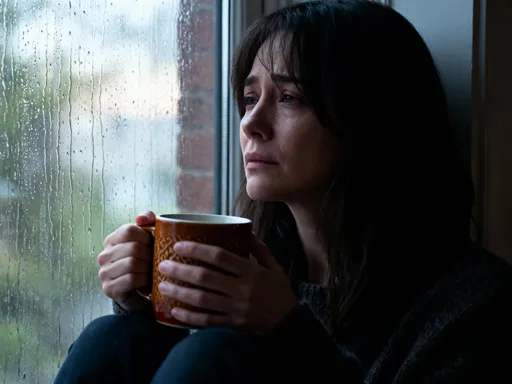
There was a morning when I couldn’t get out of bed—not because I was physically ill, but because the weight of everything pressed down so hard. My heart raced before my feet even touched the floor. I had reached my breaking point after years of pushing through. I had normalized sleepless nights, constant fatigue, and snapping at my children over small things. My body was sending warnings, but I had been too busy to listen. Headaches became routine. I lost interest in cooking, a hobby I once loved, and found myself canceling plans just to sit in silence. It wasn’t until a close friend gently asked, “Are you okay?” that I paused and admitted I wasn’t.
This moment of honesty changed everything. I realized that stress wasn’t just a part of adult life—it had become a silent invader, eroding my health and joy. Ignoring it had consequences far beyond tiredness. Chronic stress, when left unaddressed, increases the risk of heart issues, weakens immunity, and affects mental clarity. Yet many of us, especially women managing households, careers, and caregiving, treat exhaustion as a badge of honor. We believe we must do it all, and do it perfectly. But the truth is, ignoring stress isn’t strength—it’s a slow surrender to burnout. Recognizing that I needed to change wasn’t weakness; it was the first real act of courage.
For years, I thought managing stress meant pushing harder, organizing better, or finding more time. But the real shift began when I stopped seeing stress as a problem to power through and started viewing it as a signal—a message from my body and mind asking for care. That awareness became the foundation for everything that followed. It wasn’t about adding more to my plate, but about making space for what truly mattered: my well-being.
Understanding Stress: What It Really Does to Your Body (And Mind)
Stress is not just a feeling—it’s a biological response designed to protect us. When we face a threat, real or perceived, our brain triggers the fight-or-flight response. This ancient survival mechanism floods the body with adrenaline and cortisol, sharpening focus, increasing heart rate, and redirecting energy to muscles. In short bursts, this system works beautifully. Imagine crossing a busy street and suddenly jumping back from an oncoming car—your body reacts instantly, without thought. But problems arise when this alarm system stays switched on, day after day.
When stress becomes chronic, the body remains in a constant state of high alert. Cortisol, often called the “stress hormone,” continues to circulate, affecting nearly every system. Over time, elevated cortisol levels can disrupt sleep, suppress the immune system, increase blood pressure, and contribute to weight gain—especially around the abdomen. Digestion slows, which may lead to discomfort or irregularity. Cognitive functions like memory and concentration can decline, making it harder to think clearly or make decisions. Emotionally, the brain becomes more reactive, increasing irritability, anxiety, and feelings of overwhelm.
Many people believe stress is “all in the head,” but it manifests physically in real and measurable ways. Tight shoulders, headaches, stomach issues, and fatigue are not imaginary—they are the body’s way of signaling imbalance. Think of it like a car engine running nonstop without maintenance. Eventually, parts wear down. Similarly, the human body wasn’t built to sustain constant stress. The good news is that just as the body reacts to stress, it also responds to calm. By understanding this process, we gain power to influence it. We can’t eliminate stress entirely—nor should we—but we can change how we respond to it. And that makes all the difference.
Mindful Breathing: The 5-Minute Reset That Actually Works
One of the most effective tools I discovered was also the simplest: mindful breathing. It sounded almost too basic at first—how could something as ordinary as breathing make a real difference? But science confirms that slow, deep breaths directly influence the nervous system. When we breathe deeply from the diaphragm, we activate the parasympathetic nervous system, the body’s natural “rest and digest” mode. This sends a signal: “You are safe. You can relax.” Within minutes, heart rate slows, muscles release tension, and mental chatter begins to quiet.
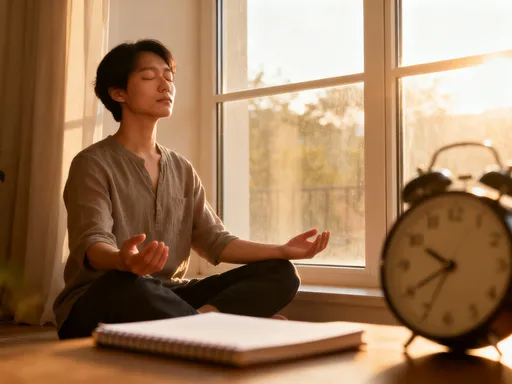
Here’s how to practice it: Find a quiet spot, sit comfortably with feet flat on the floor, and place one hand on your chest, the other on your belly. Inhale slowly through your nose for a count of four, feeling your abdomen rise. Hold gently for a moment, then exhale through your mouth for a count of six. Repeat this cycle for five minutes. The key is consistency—not perfection. If your mind wanders, gently bring it back to the breath. I began using this technique before stressful meetings, during tense moments with my kids, and especially at bedtime. Over time, I noticed I fell asleep faster and woke up feeling more rested.
What surprised me most was how this small habit built resilience. On days when everything felt chaotic, those five minutes became an anchor. I wasn’t trying to erase stress—just to create space between stimulus and reaction. That space allowed me to respond with more clarity instead of reacting from emotion. You don’t need special equipment or hours of free time. Whether you’re in your car, at your desk, or in the kitchen, mindful breathing is always available. It’s not a cure-all, but it’s a powerful first step toward regaining control.
Movement That Fits: How Light Exercise Eases Mental Load
Physical activity became another cornerstone of my stress management plan—but not in the way I once thought. I used to believe exercise had to be intense to “count.” Long runs, high-intensity classes, sweating it out—that was real fitness. But during my most overwhelmed periods, that kind of effort felt impossible, even discouraging. What changed my perspective was learning that gentle movement is not just acceptable—it’s essential. Even short bursts of activity help the body process stress hormones like cortisol and adrenaline, reducing their lingering effects.
I started with something simple: a 10-minute walk after dinner. No goal other than to move and breathe. Over time, I added stretching in the morning and a few yoga poses before bed. These weren’t workouts in the traditional sense, but they made a noticeable difference. My mind felt clearer. My body felt looser. I slept better. Research supports this—light physical activity increases endorphins, the brain’s natural mood lifters, while also improving circulation and reducing muscle tension. It breaks the cycle of mental rumination, where the same thoughts loop endlessly in the mind.
The key was making movement accessible, not demanding. I stopped seeing it as another task to complete and started viewing it as a form of self-respect. Some days, it was dancing in the kitchen while making dinner. Other days, it was standing outside and reaching my arms toward the sky, feeling the sun on my face. These small acts of motion didn’t require a gym or special clothes. They fit into real life. And by removing the pressure to “do it right,” I actually did it more often. Movement became less about changing my body and more about caring for my mind. That shift in mindset made all the difference.
Digital Boundaries: Why Your Phone Might Be Making Stress Worse
One of the most surprising sources of my stress was something I thought helped me stay connected: my smartphone. I checked emails first thing in the morning, scrolled through news during meals, and fell asleep with the blue glow of social media on my face. What felt like staying informed or entertained was actually keeping my brain in a state of constant overdrive. The human brain isn’t designed to handle endless notifications, rapid information shifts, and the emotional weight of online content—all at once. Each ping triggered a micro-stress response, keeping cortisol levels elevated throughout the day.
Doomscrolling—endlessly consuming negative or alarming news—was a particular habit I had to break. It left me feeling helpless and anxious, as if the world was collapsing one headline at a time. Social media comparisons added another layer, subtly chipping away at my sense of peace. I realized I wasn’t using my phone; it was using me. Setting digital boundaries wasn’t about rejecting technology, but about reclaiming my attention and energy. I started small: no phone for the first 30 minutes after waking, and no screens during meals. I turned off non-essential notifications and set a nightly “digital sunset” one hour before bed.
These changes felt awkward at first. I worried I’d miss something important. But within days, I noticed improvements. My mornings felt calmer. I was more present with my family. My sleep deepened. I began using that hour before bed to read, journal, or listen to soft music—activities that truly helped me unwind. I also discovered pockets of time I didn’t know I had. Instead of reaching for my phone out of habit, I’d sit quietly, stretch, or step outside. Digital boundaries didn’t isolate me—they created space for real connection, both with others and with myself. Technology is a tool, but without limits, it can become a source of chronic stress. Learning to use it intentionally was a game-changer.
The Power of Small Routines: Building Stability One Habit at a Time
In the midst of chaos, predictability became my refuge. I learned that structure doesn’t have to be rigid or complicated—small, consistent routines can create a sense of stability that buffers against stress. Our brains thrive on predictability because it reduces decision fatigue, the mental exhaustion that comes from making too many choices. When even a few parts of the day are automatic, it frees up mental energy for more important things.
I started with three simple anchors: waking up at the same time every day, drinking a glass of water first thing, and writing down three thoughts in a journal—gratitude, intention, or simply how I was feeling. These weren’t grand gestures, but they grounded me. Waking at a consistent hour regulated my body’s internal clock, improving sleep quality. Hydration jump-started my metabolism and helped clear morning fog. Journaling created a safe space to process emotions without judgment. Over time, these habits became automatic, requiring no willpower.
The beauty of small routines is that they build resilience gradually. On difficult days, when everything else felt out of control, these anchors remained. They didn’t fix problems, but they offered a sense of safety. I expanded slowly—adding a five-minute stretch, a daily walk, or a set bedtime. The goal wasn’t perfection but presence. Each small act of consistency sent a message to my nervous system: “You are being cared for.” And that message reduced anxiety more than any single action could. Stability isn’t found in grand transformations, but in the quiet repetition of small, kind choices.
When to Seek Support: Knowing the Limits of Self-Help
As much as self-care practices helped, there was a point when I realized I needed more. Despite my efforts, some days were still consumed by anxiety, sadness, or emotional numbness. I struggled to enjoy things I once loved. Sleep remained elusive. I felt disconnected, even in moments of connection. That’s when I understood: self-help is powerful, but it’s not meant to carry the full weight alone. There is no shame in seeking professional support. In fact, it’s one of the bravest and wisest things we can do.
Therapy offered me tools I couldn’t find on my own. A licensed counselor helped me identify patterns in my thinking, understand the roots of my stress, and develop personalized coping strategies. It wasn’t about “fixing” me—it was about learning to relate to myself with more compassion. Medical guidance also played a role. My doctor checked for underlying issues like thyroid imbalances or vitamin deficiencies, which can mimic or worsen stress symptoms. Sometimes, the body needs more than lifestyle changes; it needs professional care.
Knowing when to reach out is crucial. Signs that stress may require professional attention include persistent low mood, inability to function in daily roles, chronic insomnia, loss of interest in activities, or feelings of hopelessness. These are not personal failures—they are signals that support is needed. Just as we wouldn’t expect to treat a broken bone without medical help, we shouldn’t expect to manage severe emotional distress without guidance. Self-care and professional care are not opposites; they work best together. Asking for help isn’t weakness—it’s an act of strength and self-respect.
Conclusion: Stress Isn’t the Enemy—Your Relationship With It Can Change
Looking back, I see that stress was never the real problem. Life will always bring challenges—responsibilities, changes, unexpected events. Stress is a natural response to these demands. The issue wasn’t the stress itself, but how I related to it. For years, I fought it, ignored it, or blamed myself for feeling it. That resistance only made it stronger. The turning point came when I stopped seeing stress as the enemy and started treating it as a messenger—one that could guide me toward better care, awareness, and balance.
The changes I made weren’t dramatic. No single habit transformed my life overnight. But over time, the small choices added up. Mindful breathing, gentle movement, digital boundaries, simple routines, and knowing when to seek help—these practices reshaped my relationship with stress. I still feel it, of course. But now, I respond differently. I pause. I breathe. I listen. I act with intention, not reaction. And in that space, I find more calm, clarity, and strength than I ever thought possible.
If you’re reading this and feeling overwhelmed, know that you’re not alone. You don’t have to do everything at once. Start with one small step—five minutes of breathing, a short walk, turning off notifications, or writing down one thought. Progress isn’t measured by perfection, but by persistence. Be patient with yourself. Healing isn’t linear. Some days will be harder than others. But each time you choose care over criticism, you’re building a healthier, more resilient life. Stress may be part of life, but burnout doesn’t have to be. By understanding your body, honoring your limits, and responding with kindness, lasting change is not only possible—it’s within your reach.