What Fixed My Fatty Liver? How Simple Food Pairings Changed Everything
Living with a fatty liver used to stress me out—until I realized small diet changes made a big difference. I’m not a doctor, but after months of tweaking what I ate, my energy improved and my check-ups got better. This is about real shifts anyone can try, backed by science and lived experience. Fatty liver isn’t a life sentence. With the right food choices, especially smart combinations, many people see real improvement. It’s not about perfection. It’s about progress—consistent, simple, and sustainable steps that support your body’s natural ability to heal.
Understanding Fatty Liver: More Common Than You Think
Non-alcoholic fatty liver disease, or NAFLD, is a condition where excess fat builds up in the liver, not because of heavy alcohol use, but due to other metabolic factors. It’s one of the most common liver conditions worldwide, affecting up to one in three adults in some countries. For many, it develops silently—without obvious symptoms—making it easy to overlook until a routine blood test reveals elevated liver enzymes or an ultrasound shows fat accumulation.
The rise of NAFLD parallels the increase in processed food consumption, sedentary lifestyles, and conditions like obesity and type 2 diabetes. At its core, the disease is linked to insulin resistance, where the body’s cells don’t respond well to insulin, leading to higher blood sugar and increased fat storage, including in the liver. Over time, this fat buildup can lead to inflammation, a more serious condition called non-alcoholic steatohepatitis (NASH), and eventually scarring or fibrosis.
What many don’t realize is that early-stage fatty liver is often reversible. Unlike more advanced liver diseases, the liver has a remarkable ability to regenerate when given the right support. Lifestyle changes—especially dietary adjustments, increased physical activity, and weight management—can significantly reduce liver fat and improve overall metabolic health. The key is early awareness and consistent action, not waiting for symptoms to worsen.
Common early signs, when they do appear, include fatigue, a feeling of fullness or mild discomfort in the upper right abdomen, and sometimes unexplained weight gain. However, many people feel completely fine, which is why NAFLD is often called a “silent” condition. This makes regular health screenings especially important, particularly for those with risk factors like high cholesterol, high blood pressure, or a family history of diabetes. Recognizing the problem early allows for timely intervention—before irreversible damage occurs.
Why Diet Matters Most—And Where People Go Wrong
When it comes to liver health, diet plays a central role. The foods we eat directly influence how the liver processes fats, manages blood sugar, and handles inflammation. Yet, many people trying to improve their liver function focus on the wrong things. A common mistake is cutting dietary fat while continuing to consume high amounts of sugar and refined carbohydrates. This approach misses the bigger picture—because it’s not just fat that leads to fatty liver; it’s excess sugar, particularly fructose, that the liver converts into fat.
Another misconception is the belief that a single “superfood” or supplement can reverse liver damage. While certain foods like leafy greens, nuts, and fatty fish are beneficial, no one food can undo the effects of an overall poor diet. The real power lies in how foods work together. Nutrient synergy—the idea that combinations of foods enhance each other’s benefits—is often overlooked but critically important. For example, pairing vitamin C-rich foods with plant-based iron sources improves iron absorption, which supports energy and cellular function.
Many also fall into the trap of extreme diets—juice cleanses, very low-calorie plans, or elimination diets that are hard to maintain. These may lead to short-term results but often fail in the long run because they’re not sustainable. Rapid weight loss, especially through severe restriction, can even worsen liver inflammation in some cases. The goal isn’t quick fixes; it’s lasting change. A balanced, realistic approach that includes a variety of whole foods is far more effective and safer for liver recovery.
Additionally, people often underestimate the impact of meal timing and food order. Eating large meals late at night, skipping breakfast, or consuming high-sugar foods first thing in the morning can spike insulin levels and promote fat storage in the liver. Instead, focusing on regular, balanced meals throughout the day helps maintain stable blood sugar and reduces metabolic stress on the liver. The foundation of liver healing isn’t deprivation—it’s thoughtful, consistent nourishment.
The Power of Food Pairing: A Game-Changer for Liver Health
One of the most overlooked aspects of nutrition is how we combine foods. The right pairings can enhance nutrient absorption, stabilize blood sugar, and reduce the liver’s workload. For someone with fatty liver, this means less fat accumulation and lower inflammation. The liver functions best when it’s not constantly processing sugar surges or detoxifying artificial additives. By pairing foods strategically, we give the liver a break and support its natural repair processes.
Take fiber and healthy fats, for example. When eaten together, they slow the release of glucose into the bloodstream, preventing sharp insulin spikes. This is crucial because high insulin levels signal the liver to produce more fat. Similarly, combining vitamin-rich vegetables with a source of fat improves the absorption of fat-soluble vitamins like A, E, and K—nutrients essential for liver function and antioxidant defense. Without fat, these vitamins pass through the body unused.
Another powerful pairing involves protein and complex carbohydrates. Unlike simple carbs, which break down quickly into sugar, complex carbohydrates release energy gradually. When paired with protein, they increase satiety and help maintain muscle mass, which is important because muscle helps regulate blood sugar. This combination also prevents the energy crashes that lead to unhealthy snacking—often high in sugar and unhealthy fats.
These synergies are not complicated or exotic. They’re based on simple, everyday foods that most households already have. The idea is to move away from thinking about food in isolation and start seeing meals as opportunities to support the body’s systems. Over time, these small, smart combinations add up to significant improvements in liver health, energy levels, and overall well-being. It’s not about adding more rules—it’s about working with the body, not against it.
Pairing Principle #1: Fiber + Protein for Blood Sugar Control
One of the most effective ways to support liver health is by stabilizing blood sugar, and the combination of fiber and protein is a proven strategy. Fiber, especially soluble fiber found in oats, beans, apples, and flaxseeds, slows down the digestion of carbohydrates, leading to a gradual release of glucose into the bloodstream. Protein, from sources like eggs, Greek yogurt, lentils, or tofu, further slows gastric emptying and increases feelings of fullness, reducing the urge to snack on sugary foods.
When blood sugar remains stable, insulin levels stay balanced. This is critical because high insulin levels promote fat storage in the liver. By keeping insulin in check, the liver is less likely to convert excess glucose into fat. This pairing is especially helpful in the morning, when many people reach for sugary cereals or pastries that cause a rapid spike and crash. Instead, a bowl of oatmeal topped with chia seeds and a boiled egg provides sustained energy and supports liver function.
Another example is a salad with mixed beans and a sprinkle of sunflower seeds. The fiber from the beans and vegetables, combined with the plant-based protein and healthy fats from the seeds, creates a meal that’s both satisfying and metabolically supportive. Even snacks can follow this principle—apple slices with almond butter, or whole grain crackers with hummus. These combinations are not only delicious but also reduce the liver’s burden by preventing sugar overload.
Research supports this approach. Studies have shown that diets high in fiber and moderate in protein improve insulin sensitivity and reduce liver fat over time. The key is consistency—making these pairings a regular part of meals rather than occasional choices. Over weeks and months, this pattern helps retrain the body’s response to food, leading to better energy, improved digestion, and measurable gains in liver health, as seen in follow-up blood tests and imaging.
Pairing Principle #2: Healthy Fats + Colorful Veggies for Inflammation
Inflammation is a key driver of liver damage in fatty liver disease, and one of the best ways to combat it is through diet. Colorful vegetables—deep greens, bright reds, vibrant oranges, and purples—are rich in antioxidants like carotenoids, flavonoids, and vitamin C. These compounds neutralize free radicals, reducing oxidative stress that can harm liver cells. However, many of these nutrients are fat-soluble, meaning they need dietary fat to be properly absorbed.
This is where healthy fats come in. Olive oil, avocado, nuts, and seeds not only enhance the flavor of vegetables but also unlock their full nutritional potential. For example, drizzling olive oil over roasted carrots increases the absorption of beta-carotene, which the body converts into vitamin A. Similarly, adding avocado to a spinach salad boosts the uptake of lutein and vitamin K, both important for cellular health and blood clotting.
These pairings also help regulate inflammation. Omega-3 fatty acids, found in walnuts and flaxseeds, have natural anti-inflammatory properties. When combined with antioxidant-rich vegetables, they create a powerful defense system against liver damage. A simple dish like sautéed kale with garlic and olive oil, topped with toasted pumpkin seeds, delivers multiple liver-supportive nutrients in one meal.
It’s important to choose the right kinds of fats. Processed vegetable oils, often high in omega-6 fatty acids, can promote inflammation when consumed in excess. In contrast, cold-pressed olive oil, avocado oil, and nuts provide a healthier fat profile. Even cooking methods matter—steaming or roasting vegetables preserves more nutrients than boiling. By pairing the right fats with the right vegetables, meals become not just nourishing but healing, helping to lower liver enzyme levels and improve overall liver function over time.
Pairing Principle #3: Whole Grains + Legumes for Balanced Energy
Whole grains and legumes form a powerful duo for sustained energy and liver support. When eaten together, they provide all nine essential amino acids, making them a complete plant-based protein source. This is especially valuable for those reducing animal protein intake. But beyond protein, this combination offers complex carbohydrates that digest slowly, preventing blood sugar spikes that contribute to liver fat accumulation.
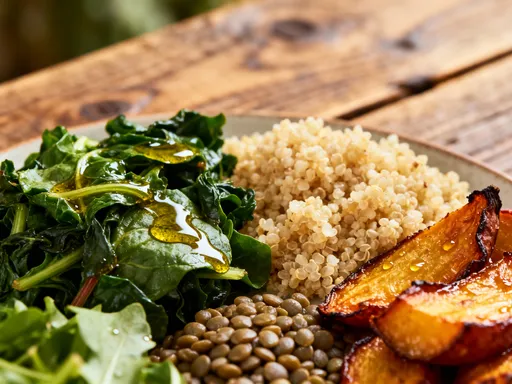
Examples include brown rice with black beans, whole wheat pita with hummus, or quinoa with lentils. These meals are not only filling but also rich in fiber, B vitamins, and minerals like magnesium and iron. The fiber supports gut health by feeding beneficial bacteria, and a healthy gut microbiome is increasingly linked to improved liver function. In fact, research suggests that gut-derived toxins can travel to the liver and worsen inflammation, so maintaining a balanced gut environment is a key part of liver care.
Unlike refined grains, which are stripped of nutrients and fiber, whole grains retain their bran and germ, offering more nutritional value. Even products labeled “low-fat” or “gluten-free” can be highly processed and loaded with sugar, so it’s important to read labels carefully. A truly healthy choice is a minimally processed grain like barley, farro, or steel-cut oats, paired with a legume like chickpeas or kidney beans.
This pairing also supports weight management, which is crucial for fatty liver improvement. Because these meals are high in fiber and protein, they promote satiety and reduce the likelihood of overeating. Over time, consistent consumption of whole grains and legumes can lead to gradual, healthy weight loss, which directly reduces liver fat. The key is to make these foods the foundation of meals, not occasional additions, creating a dietary pattern that supports long-term liver health.
Putting It All Together: Building a Liver-Friendly Plate
With these pairing principles in mind, creating a liver-friendly meal becomes simple and practical. A good framework is to fill half the plate with non-starchy vegetables, one-quarter with whole grains, and one-quarter with a combination of protein and healthy fats. This balance ensures a variety of nutrients while keeping blood sugar stable and inflammation low. The goal is not perfection but consistency—making better choices most of the time.
For breakfast, try a bowl of steel-cut oats with sliced almonds, blueberries, and a spoonful of chia seeds, served with a boiled egg on the side. The oats and chia provide fiber, the almonds offer healthy fats, and the egg adds protein. For lunch, a large salad with mixed greens, roasted beets, chickpeas, sunflower seeds, and a dressing of olive oil and lemon juice covers multiple pairing principles in one dish. Dinner could be grilled salmon with quinoa and steamed broccoli drizzled with olive oil—offering omega-3s, complete plant protein, and fat-soluble vitamins.
Snacks matter too. Instead of reaching for crackers or candy, choose options like carrot sticks with guacamole, a small handful of walnuts with an apple, or plain Greek yogurt with cinnamon and flaxseed. These choices support the same goals: stable blood sugar, reduced inflammation, and improved nutrient absorption. The idea is to make gradual swaps—replacing one processed item at a time with a whole, nutrient-dense alternative.
It’s also important to stay hydrated and limit sugary drinks, including fruit juices and sweetened teas. Water, herbal teas, and sparkling water with lemon are better choices. Meal timing can help too—eating at regular intervals prevents extreme hunger, which often leads to poor food choices. The liver works best when it’s not overwhelmed, so giving it predictable, balanced fuel throughout the day makes a difference. Over time, these habits become second nature, supporting not just the liver but overall health.
Final Thoughts: Small Steps, Big Impact
Reversing fatty liver doesn’t require drastic measures or expensive supplements. It starts with small, informed choices—like pairing fiber with protein, combining colorful vegetables with healthy fats, and choosing whole grains with legumes. These combinations work together to stabilize blood sugar, reduce inflammation, and support the liver’s natural healing ability. The journey isn’t about perfection; it’s about progress, one meal at a time.
It’s also important to work with a healthcare provider, especially when making significant dietary changes. Blood tests and imaging can track improvements and ensure that the approach is safe and effective. While diet is powerful, it’s just one part of a holistic strategy that may include physical activity, stress management, and adequate sleep—all of which influence liver health.
The good news is that the liver is resilient. With early action and consistent effort, many people see real improvements in their liver function tests and overall well-being. This isn’t a quick fix but a long-term commitment to health. By focusing on food synergy and sustainable habits, anyone can take meaningful steps toward a healthier liver—and a more energetic, vibrant life. The body has an incredible capacity to heal when given the right support. It’s never too late to start.