You Won’t Believe How Fast This Immunity Hack Works
Ever feel like your body’s constantly under siege? I did—until I discovered simple, science-backed habits that boosted my immunity faster than I thought possible. No magic pills, just real lifestyle shifts. If you're tired of seasonal bugs and low energy, this is your wake-up call to take control. Health isn’t luck; it’s daily choices. Let me show you what actually works.
The Hidden Crisis: Why Modern Life Weakens Immunity
Many people go through life unaware that their daily routines are quietly undermining one of their most vital defenses: the immune system. The truth is, modern living often works against natural immunity. Constant stress from work, family, and digital overload, combined with poor sleep and diets high in processed foods, creates a perfect storm for weakened resistance. These factors don’t just make you feel tired—they actively interfere with how your body identifies and fights off threats. One of the most overlooked culprits is chronic inflammation, a low-grade, persistent condition that doesn’t always come with obvious symptoms but steadily dulls immune responsiveness. Unlike acute inflammation, which helps heal injuries, chronic inflammation keeps the body in a state of alert without a clear target, eventually exhausting immune resources.
Urban lifestyles, in particular, have been linked to increased vulnerability to infections. Studies suggest that people living in high-stress city environments report more frequent colds, longer recovery times, and greater fatigue during illness. This isn’t just coincidence—it reflects how deeply environment and behavior shape health. For example, long commutes, sedentary jobs, and disrupted circadian rhythms from screen use at night all contribute to immune imbalance. The immune system thrives on consistency: regular sleep, balanced nutrition, and manageable stress. When these are missing, even minor exposures to viruses can lead to full-blown illness. The good news? Immunity isn’t fixed. It’s dynamic, responsive, and capable of improvement at any age.
Recognizing this empowers individuals to see their health not as a matter of chance but as a reflection of daily habits. Frequent colds, lingering fatigue, or slow healing aren’t just annoyances—they’re signals. They indicate that the body’s defense network needs support. By understanding how modern life disrupts immunity, we take the first step toward reclaiming control. This awareness isn’t about blame or fear; it’s about clarity. Once you see the connections between lifestyle and immune strength, you can begin to make changes that truly matter.
Immunity 101: What It Really Means (And What It Doesn’t)
Immunity is often misunderstood as simply the ability to avoid catching a cold. In reality, it’s a vast, intricate defense system that protects the body from countless threats every day—from viruses and bacteria to abnormal cell growth. At its core, the immune system functions like a well-trained security force, constantly scanning for intruders and responding appropriately. It’s made up of two main branches: the innate immune system, which acts as the first responder, and the adaptive immune system, which develops targeted defenses after exposure. White blood cells, such as neutrophils, macrophages, and lymphocytes, serve as the frontline soldiers, each with specialized roles in identifying, attacking, and remembering threats.
One of the most important concepts in immunity is immune memory. When the body encounters a pathogen for the first time, the adaptive system takes time to respond. But if the same invader returns, immune cells recognize it quickly and launch a faster, stronger defense. This is the principle behind vaccines and also explains why some illnesses, like chickenpox, usually only happen once. However, immunity isn’t about being “stronger” at all costs. Balance is essential. An overactive immune system can lead to allergies or autoimmune conditions, where the body mistakenly attacks its own tissues. This shows that optimal immunity isn’t about maximum aggression—it’s about precision, regulation, and resilience.
Another common misconception is that immunity operates in isolation. In truth, it’s deeply connected to other systems, especially the gut. About 70% of immune cells reside in the gut-associated lymphoid tissue, highlighting the critical role of digestive health. A diverse gut microbiome helps train immune cells to distinguish between harmless substances and real threats. When this balance is disrupted—often due to poor diet or antibiotic use—the immune system can become confused or sluggish. Understanding immunity as a network, not a single switch, helps explain why holistic habits matter more than isolated fixes. It’s not about boosting one part; it’s about supporting the entire system to function in harmony.
The Quick Fix Fallacy: Why Most People Fail
When people feel their immunity slipping, many turn to quick solutions: high-dose supplements, detox teas, or sudden dietary overhauls. While these may offer temporary reassurance, they rarely lead to lasting change. The problem isn’t the intention—it’s the approach. Most short-term fixes fail because they don’t address the root causes of immune weakness. For example, taking vitamin C only when a sore throat appears misses the point. Immune cells need consistent nutritional support to stay alert and effective. Similarly, starting an intense workout routine after years of inactivity often leads to burnout, not better health. Behavioral research shows that over 70% of health-related New Year’s resolutions are abandoned within three months, largely because they rely on willpower rather than sustainable integration.
The body doesn’t respond well to abrupt, extreme changes. Immune function improves through steady, repeatable habits, not occasional heroics. A single day of eating vegetables won’t reset years of poor nutrition. Likewise, one night of good sleep won’t undo chronic sleep deprivation. The immune system thrives on rhythm and consistency. This is why the most effective strategies aren’t flashy—they’re simple, doable, and repeatable. They fit into real life, not an idealized version of it. The shift from quick fixes to long-term awareness is crucial. It means moving from reacting to illness to proactively building resilience.
Another reason quick fixes fail is that they often create guilt or shame when they’re not maintained. This emotional burden can increase stress, which in turn weakens immunity—creating a counterproductive cycle. A better approach is to focus on progress, not perfection. Small, consistent actions compound over time. Drinking an extra glass of water daily, walking for ten minutes, or going to bed 15 minutes earlier may seem minor, but together, they send a powerful signal to the body: you are a priority. This mindset shift—from chasing results to honoring daily care—is what leads to real, lasting immune strength.
Three Science-Backed Habits That Work Fast (And How to Start Today)
The most effective immune-supporting habits are not complicated, expensive, or time-consuming. In fact, some can begin showing benefits in as little as a few days. The first is proper hydration with electrolytes. While drinking water is widely recommended, many overlook the importance of electrolytes—minerals like sodium, potassium, and magnesium that help maintain fluid balance and support cellular function. Even mild dehydration can slow lymph flow, the system that carries immune cells throughout the body. When lymph moves sluggishly, immune surveillance drops. Adding a pinch of natural salt and a squeeze of lemon to water, or consuming broth or coconut water, helps maintain optimal hydration and supports immune circulation.
The second habit is incorporating 10-minute daily movement bursts. You don’t need a gym membership or hours of exercise. Research shows that short bouts of physical activity—like brisk walking, stair climbing, or gentle stretching—can significantly increase the circulation of immune cells. These bursts stimulate the lymphatic system, which lacks a pump like the heart and relies on muscle movement to function. Just ten minutes of movement, done consistently, can enhance immune surveillance and reduce the risk of infection. The key is regularity, not intensity. Setting a phone reminder or pairing movement with a daily routine, like after lunch or during a TV commercial break, makes it easier to stick with.
The third habit is prioritizing sleep quality, not just quantity. While getting enough hours is important, the depth and continuity of sleep matter just as much. During deep sleep, the body releases cytokines, proteins that help regulate immune response and fight inflammation. Poor sleep quality—frequent waking, light sleep, or disrupted cycles—interferes with this process. Simple changes can improve sleep quality: lowering room temperature, reducing screen time before bed, and maintaining a consistent bedtime. These adjustments support the body’s natural repair processes and strengthen immune readiness. Together, these three habits form a powerful foundation—each one practical, immediate, and backed by science.
Food as Fuel: What to Eat (And Skip) for Faster Immune Response
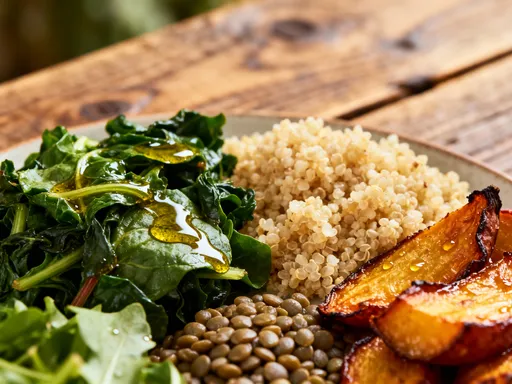
Nutrition plays a central role in immune function, but it’s not about strict diets or eliminating entire food groups. It’s about patterns—what you eat most of the time. Certain foods naturally support immune activity by providing essential vitamins, minerals, and beneficial compounds. Colorful vegetables like bell peppers, spinach, and carrots are rich in antioxidants such as vitamin C and beta-carotene, which protect immune cells from damage. Fermented foods like yogurt, kefir, and sauerkraut contain probiotics that support a healthy gut microbiome, directly influencing immune regulation. Lean proteins from sources like chicken, fish, beans, and lentils supply amino acids needed to build and repair immune cells.
One of the most impactful dietary factors is fiber. Found in whole grains, fruits, vegetables, and legumes, fiber feeds beneficial gut bacteria. These microbes produce short-chain fatty acids that help control inflammation and strengthen the gut barrier, preventing harmful substances from entering the bloodstream. A diverse, fiber-rich diet is linked to better immune outcomes and lower risk of chronic illness. On the flip side, excessive sugar intake—especially from sugary drinks and processed snacks—can impair white blood cell function for several hours after consumption. While an occasional treat won’t derail progress, a high-sugar diet can create a constant state of reduced immune readiness.
Instead of focusing on perfection, the goal is consistent improvement. Simple swaps make a difference: choosing an apple over a cookie, adding a handful of spinach to a sandwich, or replacing soda with sparkling water and lemon. These small changes add up without requiring a complete kitchen overhaul. The message isn’t fear or restriction—it’s empowerment. Every meal is an opportunity to support your body’s defenses. Over time, these choices become second nature, creating a lifestyle that naturally promotes strong, responsive immunity.
Mindset Matters: How Stress Management Boosts Defense
Emotional well-being is not separate from physical health—it’s a core part of it. Chronic stress has a direct, measurable impact on the immune system. When the body perceives stress, it releases cortisol, a hormone that, in small doses, helps manage challenges. But when stress is constant, cortisol levels remain elevated, suppressing immune function. This makes the body more vulnerable to infections and slows healing. Studies have shown that people under prolonged stress are more likely to catch colds and take longer to recover. The connection between mind and body is undeniable: calming your thoughts isn’t just good for mental health—it’s a form of immune protection.
The good news is that stress reduction doesn’t require hours of meditation or expensive retreats. Small, intentional practices can make a significant difference. Box breathing—a technique involving four seconds of inhaling, four seconds of holding, four seconds of exhaling, and four seconds of pausing—can be done anywhere and has been shown to lower cortisol levels within minutes. Spending time in nature, even a short walk in a park, reduces stress hormones and improves mood. Digital detoxing—setting boundaries around screen use, especially before bedtime—helps quiet the mind and supports better sleep, which in turn strengthens immunity.
Mindful moments don’t have to be long to be effective. Just five minutes of focused breathing or quiet reflection can shift the body from a state of stress to one of balance. These practices train the nervous system to recover more quickly from daily pressures. Over time, this resilience translates into stronger immune function. By integrating stress management into daily life, you’re not indulging in self-care—you’re investing in your body’s ability to defend itself. Emotional health and immune health are not competing priorities; they are partners in overall well-being.
Building a Lifestyle, Not a Routine: Making It Stick
Sustainable health change isn’t about willpower—it’s about design. Lasting habits form when they’re woven into existing routines, not fought into a busy schedule. One effective strategy is habit stacking: linking a new behavior to an established one. For example, doing a minute of box breathing after brushing your teeth, or drinking a glass of water as soon as you wake up. These pairings make new habits easier to remember and maintain. Environment also plays a key role. Keeping a water bottle on the kitchen counter, placing walking shoes by the door, or setting out workout clothes the night before reduces friction and increases follow-through.
Tracking progress can also boost motivation, but it’s important to focus on subtle wins, not just big milestones. Notice when you sleep more soundly, when you feel more alert in the afternoon, or when you don’t catch the cold that’s going around. These small signs indicate that your immune system is responding. They reinforce the value of consistent effort. Community support helps too. Sharing goals with a friend, joining a wellness group, or simply talking about your journey increases accountability and encouragement. You don’t have to do it alone.
The goal isn’t perfection. It’s progress. Some days will be better than others, and that’s okay. What matters is the overall direction. Each healthy choice, no matter how small, strengthens your body’s ability to protect itself. Over time, these actions compound, creating a resilient immune system that responds quickly and effectively. This isn’t about following a rigid plan—it’s about building a life that naturally supports health. When healthy habits become part of who you are, not just what you do, immunity becomes a daily reality, not a distant goal.
Your Body Is Listening—Start Talking to It
True immunity isn’t found in a pill, a juice cleanse, or a fleeting trend. It’s built gradually, day by day, through the choices you make. Every glass of water, every short walk, every moment of calm, and every nutritious meal sends a message to your body: you are valued, you are cared for, you are worth protecting. This journey isn’t driven by fear of illness—it’s fueled by the quiet power of self-respect and awareness. You don’t need to overhaul your life overnight. Start with one small change. Make it repeatable. Let it grow.
Science confirms what many have experienced firsthand: the body responds to consistent, loving attention. Immune strength isn’t reserved for the genetically lucky or the ultra-disciplined. It’s available to anyone willing to listen and act. As you integrate these habits, you’re not just preventing illness—you’re enhancing your quality of life. You’re sleeping better, feeling more energetic, and facing each day with greater confidence. This is the real reward of immune health: not just surviving, but thriving. Begin today. Your body is already listening. Start talking to it with your choices.