How I Found Calm in the Chaos: My Anti-Aging Secret Nobody Talks About
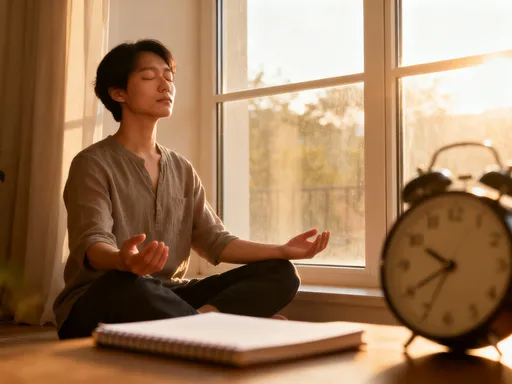
Aging isn’t just about wrinkles or gray hair—it’s deeply tied to how we handle stress and emotional balance. I used to think anti-aging meant serums and supplements, until I realized my real issue was inner tension. When I started prioritizing psychological balance, everything shifted. My skin looked better, my energy improved, and I felt more like myself. This is a guide to what actually changed things for me—no hype, just real steps that support aging with grace and calm. What if the most powerful anti-aging tool wasn’t in your medicine cabinet, but in your daily rhythm of peace? The answer lies not in defying time, but in honoring how we move through it—with presence, awareness, and care.
The Hidden Cost of Chronic Stress on Aging
Chronic stress is one of the most underestimated accelerators of aging, operating silently beneath the surface. When the body experiences ongoing psychological pressure, it releases cortisol, the primary stress hormone. In short bursts, cortisol helps us respond to challenges—this is part of the natural fight-or-flight response. But when stress becomes a constant companion, cortisol remains elevated, triggering a cascade of biological changes that speed up the aging process. Over time, high cortisol levels break down collagen, impair skin regeneration, and contribute to weight gain around the midsection, often referred to as “stress belly.” These are not just cosmetic concerns; they reflect deeper internal imbalances.
Beyond the visible signs, chronic stress fuels systemic inflammation, a key driver of age-related conditions such as joint stiffness, cognitive decline, and reduced immune function. Inflammation is the body’s natural response to injury or infection, but when it becomes chronic due to unresolved emotional strain, it begins to damage healthy tissues. Research has shown that individuals with persistently high stress levels exhibit shorter telomeres—the protective caps at the ends of our chromosomes. Telomere shortening is a well-documented marker of cellular aging, and those with shorter telomeres are at higher risk for age-related diseases. In essence, the body ages faster when the mind is constantly on high alert.
The physical manifestations of emotional strain are often mistaken for normal aging, but they are frequently preventable. Dull skin, fatigue, hair thinning, and difficulty recovering from illness are not inevitable—they are signals. When emotional tension goes unaddressed, the body redirects energy away from repair and renewal toward survival. This means fewer resources are available for maintaining skin elasticity, repairing muscle tissue, or supporting cognitive function. The good news is that by recognizing stress as a root cause, not just a side effect, we can intervene early. Reducing psychological load isn’t a luxury; it’s a foundational step in slowing biological aging and preserving vitality.
Reframing Anti-Aging: It’s Not Just Skin Deep
For decades, the anti-aging industry has focused on external solutions—creams, injections, laser treatments—often overlooking the internal landscape where true change begins. While skincare can improve appearance, lasting vitality comes from within. The shift happens when we stop viewing aging as a problem to be fixed and start seeing it as a process to be supported with balance and intention. Mental resilience, emotional regulation, and a calm nervous system play a more significant role in how we age than most realize. A person with a peaceful mindset often radiates a youthful glow, not because of flawless skin, but because of the ease in their expression, the brightness in their eyes, and the steady energy in their presence.
Neuroscience supports this connection. Studies have shown that individuals who practice emotional regulation techniques, such as mindfulness or gratitude journaling, exhibit lower levels of inflammatory markers and better cardiovascular health. These physiological benefits translate into visible signs of slower aging. Moreover, a stable mood supports better sleep, improved digestion, and more consistent energy—all of which contribute to a more vibrant appearance. When the mind is not caught in cycles of worry or rumination, the body can focus on repair, renewal, and balance. This internal harmony becomes reflected outwardly, often more powerfully than any topical treatment could achieve.
Consider the example of women in their fifties and sixties who seem to age with remarkable grace. Often, their secret isn’t expensive treatments or genetic luck—it’s lifestyle habits that prioritize calm. They may meditate regularly, maintain strong social connections, or engage in meaningful activities that bring a sense of purpose. These practices buffer against stress and create a psychological environment where aging unfolds gently. By reframing anti-aging as a holistic practice—one that includes mental and emotional wellness—we move beyond temporary fixes and embrace a sustainable approach to longevity. True beauty in aging comes not from resisting change, but from meeting it with presence and care.
Spotting Your Stress Triggers (Even the Sneaky Ones)
Identifying stress triggers is the first step toward emotional balance, yet many go unnoticed because they are woven into the fabric of daily life. Digital overload is one of the most pervasive yet overlooked sources of psychological strain. Constant notifications, endless scrolling, and the pressure to stay connected keep the nervous system in a state of low-grade alertness. This digital noise doesn’t feel like a crisis, but over time, it depletes mental reserves and contributes to mental fatigue. The brain was not designed for continuous stimulation, and without regular breaks, it struggles to reset, leading to irritability, poor focus, and disrupted sleep—all of which accelerate signs of aging.
Perfectionism is another hidden stressor, especially common among women who manage households, careers, and family responsibilities. The belief that everything must be done flawlessly creates an internal pressure cooker. Even when outwardly successful, perfectionists often experience chronic self-criticism, which elevates cortisol and undermines self-worth. This emotional burden may not show up immediately, but over years, it wears down resilience and contributes to burnout. Learning to recognize perfectionism as a stress trigger—rather than a virtue—is essential. It allows space for self-compassion, which is a powerful antidote to the aging effects of chronic self-judgment.
Emotional suppression is equally damaging. Many women grow up learning to “keep it together” for the sake of others, bottling up frustration, sadness, or anxiety. While this may maintain harmony in the short term, unexpressed emotions accumulate and manifest physically—through tension headaches, digestive issues, or muscle tightness. Journaling can be a simple yet effective tool for uncovering these patterns. Prompts like “What am I avoiding feeling today?” or “When did I last say no without guilt?” help bring hidden stressors to light. Awareness is not about fixing everything at once, but about seeing clearly. Once triggers are identified, small, intentional changes—like setting digital boundaries or allowing imperfection—can begin to restore emotional equilibrium.
Building Daily Anchors for Emotional Stability
Emotional stability doesn’t require dramatic changes; it grows from small, consistent practices that anchor the nervous system. Three science-backed habits—mindful pauses, rhythmic breathing, and intentional stillness—can be integrated into even the busiest routines without adding extra time. A mindful pause is simply a 60-second break to check in with the body and breath. It can happen while waiting for the kettle to boil, during a bathroom break, or before answering an email. This brief moment of presence interrupts the autopilot mode that fuels stress and resets the nervous system. Over time, these micro-moments accumulate, lowering baseline anxiety and improving emotional regulation.
Rhythmic breathing is another powerful tool. Unlike shallow, rapid breaths that signal danger to the brain, slow, deep breathing activates the parasympathetic nervous system—the body’s natural relaxation response. A simple technique is box breathing: inhale for four counts, hold for four, exhale for four, and pause for four. Repeating this cycle for just two to three minutes can calm the mind, lower heart rate, and reduce cortisol levels. The beauty of this practice is its accessibility—it can be done anywhere, discreetly, without special equipment. When practiced daily, rhythmic breathing trains the body to return to calm more easily, even in stressful situations.
Intentional stillness—setting aside time to simply be, without distraction—is perhaps the most transformative habit. This doesn’t require meditation or sitting in silence for long periods. It can be as simple as sitting with a cup of tea and noticing the warmth, the aroma, and the quiet. The goal is to create space between stimulus and response, allowing the mind to rest. One woman shared how just five minutes of stillness each morning changed her emotional baseline. She noticed she reacted less impulsively to her children’s demands and felt more patient throughout the day. These daily anchors are not quick fixes; they are investments in long-term emotional resilience, helping the body age with greater ease and grace.
Sleep, Mood, and the Aging Brain Connection
Sleep is one of the most powerful anti-aging tools, yet it is often compromised by unresolved stress and emotional imbalance. During deep sleep, the brain clears out metabolic waste through the glymphatic system, a process essential for cognitive health. When sleep is disrupted by anxiety or overthinking, this cleanup is impaired, leading to mental fog, slower processing speed, and increased risk of age-related cognitive decline. Poor sleep doesn’t just make you tired—it accelerates brain aging. Studies have shown that chronic sleep deprivation is linked to a higher likelihood of memory problems and reduced neural plasticity, the brain’s ability to adapt and learn.
There is a strong feedback loop between mood and sleep. Anxiety can make it hard to fall asleep, and poor sleep worsens anxiety, creating a cycle that erodes emotional stability over time. This cycle also affects physical aging. During restorative sleep, the body repairs tissues, balances hormones, and strengthens the immune system. Without sufficient quality sleep, these processes are disrupted, leading to increased inflammation, slower wound healing, and duller skin. The face often shows the first signs—puffiness, dark circles, and a lack of radiance—because the skin’s renewal cycle depends on deep sleep.
Creating a calming pre-sleep ritual can break this cycle and support both mental health and longevity. This ritual doesn’t need to be elaborate. It can include turning off screens one hour before bed, sipping a caffeine-free herbal tea, writing down any lingering thoughts in a journal, and practicing gentle stretching or breathing exercises. The key is consistency—doing the same sequence each night signals to the brain that it’s time to wind down. Over time, this builds a conditioned response, making it easier to fall asleep and stay asleep. When emotional balance is prioritized in the evening, sleep improves, and with it, mood, cognitive function, and overall vitality. Quality rest is not a luxury; it is a cornerstone of graceful aging.
Movement That Soothes: Exercise for Mind and Body
Exercise is widely recognized for its anti-aging benefits, but not all forms of movement are equally supportive of emotional balance. High-intensity workouts, while beneficial for cardiovascular health, can sometimes add stress to an already taxed nervous system, especially if recovery time is insufficient. For women managing multiple responsibilities, the pressure to “push through” can backfire, increasing cortisol rather than reducing it. A more sustainable approach is gentle, mindful movement—activities that soothe the nervous system while maintaining strength and flexibility. Walking, stretching, tai chi, and restorative yoga fall into this category, offering physical benefits without the strain.
Walking, in particular, is a powerful yet underrated practice. A daily 20- to 30-minute walk in nature—or even around the neighborhood—can significantly reduce anxiety and improve mood. The rhythmic motion, fresh air, and change of scenery help reset the mind and lower stress hormones. Unlike structured gym sessions, walking feels accessible and low-pressure, making it easier to maintain consistently. Many women find that walking becomes a form of moving meditation, a time to process thoughts, listen to their bodies, and reconnect with themselves. This mental clarity supports emotional resilience, which in turn slows the biological markers of aging.
The key is listening to the body rather than following rigid fitness goals. On days when energy is low, a short stretch session may be more beneficial than a vigorous workout. Honoring these fluctuations builds self-trust and prevents burnout. Movement should not be a source of stress, but a form of self-care. When exercise is approached with kindness and awareness, it becomes a daily act of honoring the body, not punishing it. Over time, this shift in mindset leads to greater physical comfort, improved posture, and a more youthful bearing—not because of how much was achieved, but because of how it was done: with presence, patience, and care.
Long-Term Shifts: Making Calm a Lifestyle, Not a Quick Fix
True transformation doesn’t come from isolated efforts, but from the accumulation of small, consistent choices. Aging gracefully is not about achieving perfection, but about cultivating a life that supports balance, awareness, and kindness toward oneself. When calm becomes a lifestyle—woven into daily routines, relationships, and self-perception—it ceases to be a reaction to stress and becomes a natural state of being. This shift doesn’t happen overnight, but through repeated acts of self-awareness: choosing rest over overcommitment, pausing before reacting, and honoring emotional needs without guilt. These moments, though quiet, are profoundly powerful in shaping how we age.
Building a personal anti-aging plan centered on peace means redefining success. It’s not measured by productivity or appearance, but by how rested, centered, and present one feels. This might include setting boundaries with technology, scheduling regular quiet time, or seeking support when overwhelmed. It also means embracing imperfection and releasing the need to control every outcome. Each act of self-compassion strengthens emotional resilience, which in turn supports physical health. Research shows that individuals who practice self-kindness have lower levels of inflammation and better cardiovascular outcomes—clear indicators of slower biological aging.
As we move through the years, the goal is not to resist aging, but to live fully within it. Graceful aging is not the absence of change, but the presence of peace. It is found in the ability to greet each day with a steady heart, to meet challenges with clarity, and to care for oneself with the same tenderness given to loved ones. The most profound anti-aging secret is not a product or procedure, but a way of being—one rooted in balance, awareness, and deep respect for the body’s wisdom. When calm is nurtured daily, aging becomes not a decline, but a deepening—a journey of becoming more fully, gently, and beautifully oneself.