After Testing 7 Smart Balcony Kits, This One Transformed My Daily Routine
Living on the 14th floor of a busy city apartment, I used to dread stepping onto my balcony—more often than not, it was too hot, too windy, or covered in dust. I wanted fresh air and greenery, but managing plants, weather, and space felt overwhelming. That changed when I tried smart balcony systems. After testing seven different kits over four months, one solution quietly reshaped how I live—making my small outdoor space peaceful, beautiful, and effortless. This is how it happened.
The Balcony I Avoided (And Why It Mattered)
My balcony used to be a place of guilt, not peace. Every time I passed the sliding glass door, I’d catch a glimpse of drooping basil, cracked terra-cotta pots, and a folding chair buried under pollen and city grime. It wasn’t always like this. When we first moved in, I had dreams of sipping herbal tea among climbing vines, reading with birdsong in the background, and growing my own tomatoes. But reality hit fast. The summer sun turned the concrete slab into a frying pan by noon. Winter winds whipped through like a storm off the coast. Rain came sideways, dumping water only on half the space. And me? I was juggling work, family schedules, and the everyday chaos of keeping a home together. There was no time to play weather detective or plant paramedic.
But here’s what I didn’t expect: letting the balcony go wasn’t just about neglecting a few plants. It started to feel symbolic. That little outdoor corner was supposed to be my escape—a breath of nature in the middle of traffic noise and concrete. Instead, it became a reminder of all the things I didn’t have time for. I’d see neighbors walking their dogs in the park below or posting photos of their garden nooks, and I’d feel a quiet pang of missing out. I wasn’t just losing greenery; I was losing a piece of calm. And in a city that never stops moving, that calm matters. It’s not just about aesthetics. It’s about having a space where you can pause, breathe, and feel grounded—even if it’s 14 floors above the street.
So when I finally admitted I needed help, it wasn’t because I wanted to be a tech enthusiast. I wanted to reclaim a part of my home that belonged to me. I wanted to stop fighting the elements and start enjoying the view. That’s when I began looking into smart balcony solutions—not as gadgets, but as quiet allies in creating a life that feels a little more balanced.
Discovering the Idea of a “Smart Balcony”
The idea first came to me on a Saturday morning. I was standing at my kitchen sink, coffee in hand, staring out at my sad little patch of outdoor space. Across the courtyard, I saw my neighbor, Maria, step onto her balcony. She tapped her phone, and like magic, a sleek retractable awning unfolded over her railing. Then, with another tap, soft misters spritzed her planters. She sat down, opened a book, and just… stayed. No rushing back inside. No squinting in the sun. No worrying about her plants drying out. I stood there, frozen, coffee cooling in my mug, thinking, How is she doing that?
That moment sparked something in me. I realized I wasn’t just envious of her setup—I was envious of her peace. She wasn’t spending her morning battling the weather; she was enjoying her space. I started wondering: could technology actually make my balcony usable, not just occasionally, but every day? Not in a flashy, futuristic way, but in a simple, practical one? I didn’t want a robot gardener or a voice-controlled hammock. I wanted something that handled the basics—shade, water, wind protection—without me having to think about it.
So I began researching. I typed “smart balcony systems” into my browser and was immediately overwhelmed. There were kits with solar panels, Bluetooth sensors, app integrations, and weather algorithms. Some promised AI-driven plant care. Others claimed to sync with smart home systems like Alexa or Google Home. The problem? Most of it sounded like it was designed for engineers, not moms trying to grow a few herbs between school drop-offs and grocery runs. I kept scrolling, looking for something that felt intuitive, reliable, and actually helpful. Then I found a review from a woman who said, “It’s not about the tech—it’s about getting my time and my peace back.” That’s when it clicked. This wasn’t about being high-tech. It was about being high-value. I wanted a system that worked quietly in the background, like a good kitchen appliance or a dependable washing machine. It didn’t need to impress me—it just needed to help me live better.
My Shopping Journey: From Confusion to Clarity
If I’m honest, the first few weeks of research were a mess. I spent hours on e-commerce sites, scrolling through product pages that looked more like science textbooks than home improvement tools. One kit promised “adaptive microclimate regulation” but didn’t explain what that meant in plain English. Another had a 4.8-star rating, but the photos showed tangled wires and frustrated customers saying the app never connected. I read reviews from people who said installation took all weekend, and others who returned the product because the wind sensor failed after two storms.
I started to feel like I was choosing a car engine, not a balcony helper. What I really needed was clarity. So I made a simple list of what mattered most: easy setup, reliable weather response, simple app control, and real plant results. I also prioritized customer support and return policies—because let’s face it, not everything works as promised. I narrowed my search to kits that offered video setup guides, had clear return windows, and featured real user photos, not just polished marketing shots. I even joined a couple of online gardening groups and asked, “Has anyone tried a smart balcony system that actually works?” The responses were mixed, but a few names came up more than once.
Eventually, I settled on seven kits to test—ranging from budget-friendly options to premium models. I didn’t want to rely on specs or sales pitches. I wanted to see how they performed in real life, in my space, with my plants, and my unpredictable city weather. I told myself, “Even if this takes months, I’m going to find one that works.” And so, the testing began—one kit at a time, one season at a time. Some failed fast. Others surprised me. But each one taught me something valuable about what I really needed.
What Each Kit Taught Me (And What Failed)
The first kit arrived in a sleek box with a QR code for setup. I was excited—until I opened it. The instructions were in three languages, none of which were fully clear. The shade mechanism required drilling into my railing, which made me nervous about damaging the building’s exterior. I spent two hours trying to sync the app, only to realize the Wi-Fi signal on my balcony was too weak. When it finally connected, the irrigation system turned on at 3 a.m. because the moisture sensor misread a dewy morning as dry soil. I shut it off and didn’t turn it back on.
The second kit was simpler—solar-powered, no drilling, clip-on design. I liked that. But the app was basic, with no weather integration. It watered on a schedule, even when it had just rained. My mint drowned. The third kit had a beautiful design and a smart app, but the wind sensor was oversensitive. A light breeze triggered the awning to close, and it wouldn’t reopen unless I manually reset it. I came home one day to find my entire balcony sealed shut on a perfectly calm evening. I felt like I was living in a sci-fi movie—except the robot wasn’t helping.
The fourth and fifth kits were more promising. One had a humidity sensor that adjusted watering based on air moisture. That was smart. But the app crashed frequently, and the customer support email went unanswered for a week. The other had a sleek, modern look and voice control, but the setup took six hours, and the voice commands barely worked. “Alexa, close the shade” usually resulted in my lights turning off or my playlist starting. Not helpful.
The sixth kit was the most expensive—branded, well-reviewed, with AI learning features. It claimed to “learn your preferences over time.” But after three weeks, it still watered at odd hours and closed the shade when I was outside enjoying the sun. I realized: I didn’t want a system that guessed what I wanted. I wanted one that responded to real conditions—sun, wind, rain—and got it right, every time. By the time the seventh kit arrived, I was skeptical. But something about its description stood out: “Designed for real life, not lab conditions.” I decided to give it one last try.
The One That Finally Worked—And Why
This one was different from the start. The box was simple, the instructions were clear, and setup took under an hour—no drilling, no confusing cables. The components snapped into place: a lightweight retractable awning, a self-regulating irrigation strip, and a small weather hub that mounted to the railing. The app connected instantly, and the onboarding process walked me through each feature step by step. But the real magic was in how it responded to the environment.
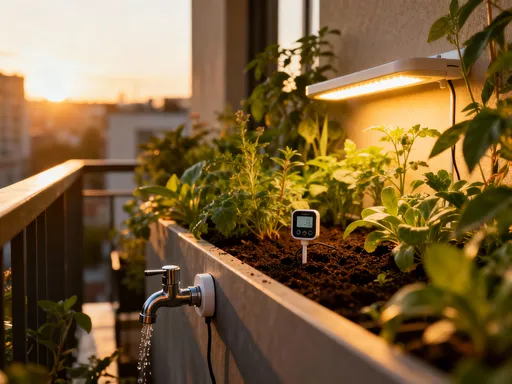
The awning automatically extends when the sun hits a certain angle—no manual input needed. On hot afternoons, it shades the space just enough to keep it cool, but not so much that it feels closed off. The irrigation system uses real-time humidity and soil moisture data to water only when necessary. I’ve come home after three days away to find my thyme, parsley, and cherry tomatoes not just alive, but thriving. Even the wind sensor works perfectly—when gusts pick up, the awning retracts safely, and the planters’ protective covers slide into place.
But what really changed things was how invisible it became. I don’t have to think about it. I don’t check the app every day. It just… works. One morning, I stepped outside with my tea, and the awning had already adjusted to block the rising sun. I didn’t command it. It knew. Another time, I returned from a weekend trip to find everything green and fresh, even though it had rained heavily one night and been sunny the next. The system had balanced everything on its own.
I remember sitting out there one evening, watching the city lights come on, and thinking, This is what I wanted all along. Not just a functional balcony, but a sanctuary. And for the first time, I wasn’t managing it—I was enjoying it.
How My Daily Life Changed Without Extra Effort
The changes didn’t happen overnight, but they’ve been profound. I spend more time outside now—reading, journaling, even taking work calls with the breeze in my hair. The air feels fresher, partly because the plants are healthier and partly because I’m more aware of my environment. I’ve started growing more herbs—rosemary, oregano, even a small lemon balm plant that I use in my evening tea. I pick leaves in the morning and feel like I’m giving myself a small gift.
But it’s not just about the plants. It’s about the rhythm of my day. Mornings start slower. I don’t rush through my coffee. I sit outside, breathe, and let the day unfold. Evenings feel more intentional. Instead of collapsing on the couch, I step outside to watch the sunset. My kids have started joining me—bringing their books or just sitting quietly. We don’t always talk, but we’re together, in a space that feels calm and cared for.
And honestly? My mood has improved. I didn’t expect that. But having a space where I feel in control—where I don’t have to worry about sunburned plants or sudden storms—has reduced my background stress. It’s like the balcony became a mirror of my inner state: when it’s peaceful, I’m more peaceful. I’ve also noticed I’m more mindful in other areas of life—planning meals around what’s growing, noticing the seasons, appreciating small joys. This little system didn’t just fix my balcony. It helped me slow down and reconnect with what matters.
I’ve even shared it with friends. One told me, “I didn’t think tech could feel warm.” And that’s exactly it. This isn’t cold automation. It’s thoughtful support. It’s like having a quiet helper who knows when to step in and when to step back. It gives me time, ease, and beauty—without asking for anything in return.
A Smarter, Calmer Life Starts in Small Spaces
Looking back, I realize I wasn’t just searching for a smart balcony kit. I was searching for a way to make my life feel a little more manageable, a little more beautiful, and a lot more mine. And the truth is, it didn’t take a big renovation or a move to the countryside. It took one small space, thoughtfully upgraded, to change how I experience my home and my days.
So if you have a balcony, a patio, or even just a sunny windowsill you’ve been neglecting, I want to tell you this: it’s not too late. You don’t need to be a tech expert or a master gardener. You just need one small step toward making that space work for you, not against you. Smart technology isn’t about replacing human care—it’s about enhancing it. It’s about removing the friction so you can enjoy the moments that matter.
Start small. Be curious. Look for solutions that prioritize simplicity, reliability, and real-life results. Let technology handle the details so you can focus on the feeling—the warmth of the sun, the scent of herbs, the peace of a quiet morning. Because a smarter life isn’t about doing more. It’s about living better, one calm moment at a time. And sometimes, that moment begins on a balcony, 14 floors above the noise, where everything finally feels just right.