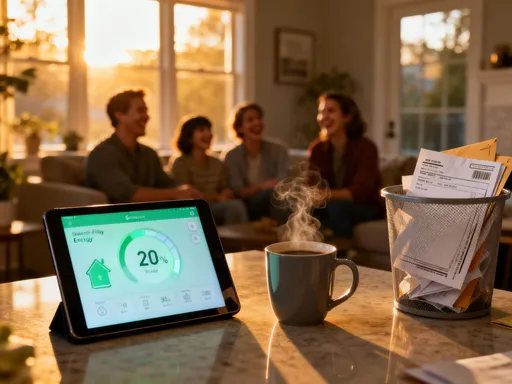
What if Your Home Could Stop Dry Air Before You Even Notice?
Dry air sneaks up on you—waking you with a sore throat, dulling your skin, making your kids cough at night. You know humidity matters, but who has time to monitor it? What if your home handled it automatically, quietly, without you lifting a finger? That’s not sci-fi. It’s happening now, and it’s simpler than you think. Let’s talk about how smart humidification isn’t just a gadget—it’s a quiet upgrade to how you live, breathe, and feel every day.
The Invisible Problem: How Dry Air Silently Disrupts Your Daily Life
You don’t always notice dry air right away. It doesn’t knock on the door or send a warning text. Instead, it shows up in small, nagging ways that slowly wear you down. Maybe you wake up with a scratchy throat, even though you drank plenty of water the night before. Or your daughter keeps rubbing her nose, asking for lip balm before breakfast. You might not connect the dots at first, but these are all signs your home’s air is too dry—especially in winter, when heating systems pull moisture right out of the air.
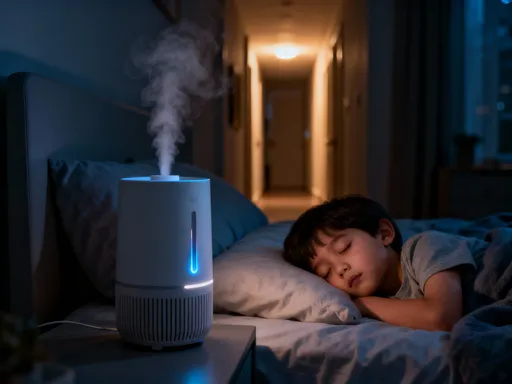
Think about it: when the air lacks moisture, your body has to work harder just to function normally. Your skin feels tight, your eyes get tired, and even your sleep can suffer. Have you ever tossed and turned, unsure why you didn’t feel rested? Dry air can disrupt your breathing, leading to shallow sleep or nighttime coughing fits—especially in little ones whose airways are more sensitive. And then there’s the static—those little shocks when you touch a doorknob or pull a sweater over your head. They’re not just annoying; they’re a clue that your environment is out of balance.
But here’s what really gets me: how this quiet discomfort starts to affect your mood and energy. When your body is constantly compensating—soothing dry lips, sipping water every hour, adjusting blankets because you’re either too hot or too cold—you don’t have the mental space to feel calm or focused. It’s not just about physical comfort. It’s about peace. And as a mom, a partner, someone who keeps the household running, you deserve that peace. You shouldn’t have to add ‘monitor air quality’ to your to-do list. The good news? You don’t have to. Technology is finally catching up to real life.
From Reactive to Proactive: A New Way to Think About Home Comfort
For years, we’ve treated home comfort like a fire drill. Something goes wrong—dry skin, a cough, static shocks—and then we scramble to fix it. We grab a humidifier from the closet, fill it up, plug it in, and hope it helps. But by then, the damage is done. You’re already uncomfortable. Your kids are cranky. And honestly, who remembers to clean and maintain those old units anyway?
What if we flipped the script? Instead of reacting, what if your home just… knew? What if it could sense when the air was getting too dry and take care of it—before anyone felt a thing? That’s the shift smart humidification brings. It’s not about adding more gadgets to your life. It’s about removing stress. It’s like having a thoughtful roommate who notices the air feels dry, checks the humidity level, and quietly turns on the humidifier while you’re making dinner—no reminders, no effort, no drama.
This isn’t magic. It’s built on simple, reliable technology: sensors that measure moisture in the air, connected to a device that responds in real time. You set your ideal humidity range—usually between 40% and 60%—and the system maintains it automatically. No more guessing. No more waking up to a foggy room because the humidifier ran all night. It adjusts based on what’s happening in your home, not on a rigid timer or your memory. And that’s the beauty of it: it works whether you’re thinking about it or not. You can finally stop worrying and just breathe.
How Smart Humidifiers Learn Your Home’s Rhythm
Every home has its own personality. Yours might get sun in the morning, cool down at night, or feel drier when the heater kicks on. A smart humidifier doesn’t just respond to the moment—it learns over time. It starts by collecting data: how the humidity changes throughout the day, how opening a window affects the room, when the kids come home from school and start running around. After a few days, it begins to recognize patterns.
For example, maybe your bedroom air drops below 30% every night around 2 a.m.—right when the heater cycles on. A traditional humidifier might run all night or shut off too early. But a smart one learns that dip and starts boosting moisture 30 minutes before, so the air stays balanced when you need it most. Or perhaps you open the kitchen window every morning to let in fresh air, which temporarily lowers humidity. The system detects that, pauses its output, and resumes when the air settles. It’s not just reacting—it’s anticipating.
And the best part? You don’t have to teach it. There’s no complicated setup or manual programming. It adapts quietly, like a good habit forming in the background. Over time, it becomes part of your home’s natural rhythm—just like the way your coffee maker turns on at 7 a.m. or your lights dim in the evening. You don’t notice the technology. You just notice how much better you feel.
Seamless Integration: Making Technology Disappear Into Daily Life
When I think about adding tech to my home, my biggest fear isn’t cost or complexity—it’s clutter. Not just physical clutter, but mental clutter. I don’t want another app to check, another password to remember, another device beeping at me. That’s why I love how smart humidifiers are designed to blend in, not stand out.
Most connect to your home’s Wi-Fi and work with apps you already use—like your phone or tablet. You can check humidity levels from the kitchen while making lunch, or adjust settings from bed with a simple tap. But you don’t have to. The system runs on its own, doing its job without demanding attention. And if you prefer voice control, many models work with assistants like Alexa or Google Assistant. Just say, ‘Hey Google, is the air dry in the kids’ room?’ and it tells you. Or, ‘Set bedroom humidity to 50%,’ and it adjusts—no screens, no fuss.
Placement matters, too. You want the unit where air circulates well—away from walls, out of direct sunlight, and not too close to furniture. But modern designs make this easy. Many smart humidifiers are compact, with soft lighting and quiet operation. Some even have night modes that dim the display and reduce noise, so they don’t disturb sleep. And because they often have larger tanks, you’re not refilling them every day. Some can run for 24 hours or more on a single fill. That’s real convenience—not just for you, but for your entire household.
Breathing Easier, Living Better: The Real-Life Benefits Families Notice
The best part of upgrading to a smart humidifier isn’t the tech—it’s what changes in your daily life. It’s the little moments that start to feel different. Like when your son says, ‘I didn’t wake up coughing last night,’ or your partner mentions, ‘My skin feels softer this week.’ These aren’t dramatic transformations. They’re quiet wins—the kind that add up to a calmer, healthier home.
Parents often tell me they notice fewer colds during winter. Now, I’m not saying a humidifier prevents illness—it doesn’t replace handwashing or vaccines. But we do know that moist air helps keep nasal passages hydrated, which supports your body’s natural defenses. When your nose isn’t dry and cracked, it’s better at filtering out irritants. And when your throat isn’t scratchy, you’re less likely to feel run down. It’s not a cure. It’s support.
Sleep improves, too. How many times have you laid in bed, trying to breathe through a stuffy nose, wondering if the air is too dry? With consistent humidity, breathing feels easier. You’re less likely to wake up dehydrated or with a sore throat. And when you sleep better, everything else gets a little easier—mornings are smoother, moods are brighter, patience runs deeper. One mom told me, ‘I didn’t realize how much the dry air was affecting my anxiety until it was gone. Now, my house just feels… calmer.’ That’s the kind of change that matters.
Building a Healthier Home Habit—Without Trying
We all want to create healthier homes. We buy air purifiers, switch to natural cleaners, add plants for freshness. But humidity often gets overlooked—even though it’s one of the most basic elements of comfort. What’s powerful about smart humidification is that it turns this invisible need into an automatic habit. Just like you lock the doors at night without thinking, your home now maintains healthy air without effort.
And that consistency is key. Old-school humidifiers require constant attention—filling, cleaning, monitoring. Skip a day, and you risk mold or mineral buildup. But many smart models come with features that help you stay on track. Some send gentle reminders to clean the tank. Others use UV light or antimicrobial materials to reduce bacteria. And because they run only when needed, they use less water and energy. It’s not just about convenience. It’s about sustainability—doing more with less, quietly and consistently.
Over time, this kind of tech helps shift your mindset. You start to expect your home to support your well-being, not just shelter you. You begin to notice other areas where small upgrades could make a difference—maybe a smart thermostat, or better lighting. But you don’t feel overwhelmed. Because you’ve already taken the first step: creating a home that cares for you, even when you’re not paying attention.
The Quiet Upgrade: Why Small Changes Make the Biggest Difference
At the end of the day, smart humidification isn’t about flashy features or high-tech bragging rights. It’s about something deeper: creating a home where everyone can breathe easier—literally and emotionally. It’s about removing one more thing to worry about, so you can focus on what really matters: your family, your peace, your energy.
Think about the last time you walked into a room and just… felt good. No dry skin, no scratchy throat, no static shocks. Just calm, balanced air. That’s not luck. It’s design. And now, it’s possible for every home—not just the ones in magazines or tech demos.
You don’t need to be a tech expert to benefit. You just need to care about how your home feels. And the truth is, you already do. You notice when the air is off. You respond when your kids are uncomfortable. You want better—for yourself and your family. So why not let your home help?
Imagine a house that adjusts before you ask. That keeps the air soft, your skin hydrated, your sleep deep. Not because you remembered to turn something on—but because it knows. That’s not the future. That’s today. And it starts with one simple step: paying attention to the air you breathe. Because when your home takes care of the little things, you’re free to live your best life—effortlessly.