Worried about your child’s health but too busy to keep up? This smart home system quietly helps you watch over them
You know that nagging worry—your child seems a little off, maybe a slight cough or less energy, but they insist they’re fine? As a parent, you want to care, but life keeps moving. What if your home could gently help you keep track—without constant checking or stress? I’ve been there, and a few smart devices changed how I connect with my kids, not just as a parent, but as a calm, confident caregiver. It didn’t turn me into a tech expert overnight. Instead, it gave me small moments of clarity in the chaos—like knowing when to check in, when to let go, and when to just be present. This isn’t about surveillance or turning your house into a hospital. It’s about using quiet, thoughtful technology to support the love and attention you already give.
The Moment Everything Changed
It started with a late-night fever I almost missed. My son was quiet, flushed, but kept saying he was okay. I trusted him—until his temperature spiked past 102°F. By then, he was shivering, his voice weak. I remember sitting beside his bed, heart pounding, wondering how I hadn’t noticed earlier. He’d been playing video games all evening, same as usual. He ate dinner, laughed at a meme, even helped clear the table. Nothing screamed “sick.” But looking back, there were signs—small ones. He didn’t finish his milk. He skipped dessert. He went to bed earlier than normal. At the time, I brushed it off as tiredness from school. But that night, I realized something important: being a good parent doesn’t mean catching every single thing. It means having the tools to notice what matters—before it becomes urgent.
That experience stayed with me. I didn’t want to become hyper-vigilant, hovering over my kids every time they sneezed. But I also didn’t want to miss something serious because I was distracted by work, laundry, or the endless cycle of meal prep. I started asking myself: could my home help me pay attention in a smarter way? Not by replacing my instincts, but by supporting them? That’s when I began exploring how everyday smart devices—ones already in millions of homes—could quietly assist in keeping an eye on my children’s well-being. I wasn’t looking for a medical solution. I just wanted a little extra awareness, woven into the rhythm of our lives.
What I discovered surprised me. The technology wasn’t flashy or complicated. It didn’t require wires, monitors, or a degree in engineering. Instead, it was subtle—small sensors, smart thermostats, voice assistants, and apps that worked quietly in the background. These tools didn’t diagnose anything. But they highlighted changes—patterns that might otherwise go unnoticed. And that, more than anything, gave me peace of mind. I wasn’t chasing symptoms. I was simply more tuned in. And that shift—from reactive worry to calm awareness—made all the difference.
How Smart Homes Can Become Gentle Guardians
When we think of smart homes, we often picture voice commands, lights that change color, or robotic vacuums zipping under the couch. But today’s home technology can do much more than automate chores. It can act as a quiet observer—helping you notice shifts in your child’s routine that might signal something’s off. Think of it like a second set of eyes, not to replace your care, but to complement it. These systems don’t make decisions for you. They simply offer insights—gentle nudges that help you respond sooner, with more confidence.
Take motion sensors, for example. They’re often used for security, but they can also show how active your child is during the day. If your daughter usually comes out of her room every few hours to grab a snack or chat, but suddenly stays in for most of the afternoon, that might be worth a gentle check-in. Is she just focused on homework? Or is she feeling unwell and trying to push through? The sensor doesn’t tell you the answer, but it gives you a clue. Similarly, smart thermostats can track room temperature and humidity. A bedroom that’s too dry or too warm can disrupt sleep, which in turn affects mood and immunity. If your child has asthma or allergies, even small environmental changes can make a big difference.
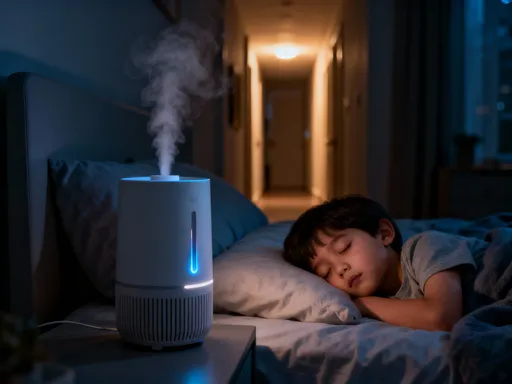
Sleep monitors are another quiet helper. Some attach to the bed, others sit on a nightstand, and many don’t require your child to wear anything. They can track movement, breathing patterns, and rest quality over time. You might notice that your son sleeps more restlessly on nights when he’s had screen time past 9 PM, or that your daughter’s sleep improves when the house is cooler at night. This isn’t about perfection—it’s about spotting trends. And when you see a pattern, you can make small, loving adjustments. Maybe it’s moving bedtime up by 15 minutes, or swapping the tablet for a book. The tech doesn’t enforce rules. It just helps you see what’s working—and what’s not.
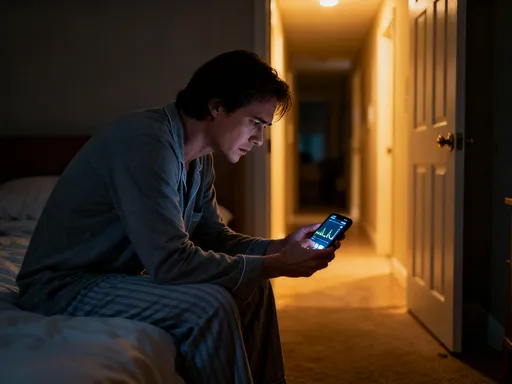
And then there are smart thermometers. These aren’t your grandma’s thermometers. Some connect to an app and store temperature readings over time. You can see if a fever is rising, holding steady, or starting to drop. That kind of information takes the guesswork out of deciding whether to call the doctor or wait it out. One mom I spoke with told me she used her smart thermometer during a mild flu season. She noticed her daughter’s temperature spiked every evening, even though she seemed fine during the day. That pattern helped her catch a lingering infection early—before it turned into something more serious. She didn’t panic. She just knew when to act.
Choosing the Right Tools for Real Family Life
Of course, not every gadget is worth your time or money. I made the mistake early on of buying a smart wearable for my son—a little wristband that tracked heart rate and sleep. He wore it for two days. Then it ended up in a drawer. Why? It felt like homework. He had to charge it, remember to wear it, and explain why he was “being monitored.” It created tension instead of peace. That’s when I realized: the best tech is the kind you don’t really notice. It should fit into your life, not force your life to fit around it.
So I started focusing on devices that worked silently in the background. One of my favorites is a smart scale—not the kind that shouts out your weight, but one that tracks trends over time. For growing kids, weight can fluctuate, and sudden drops or stalls might signal illness, stress, or changes in appetite. This scale syncs with an app, but only I can see the data. My kids just step on it like normal. No pressure, no questions. It’s not about numbers—it’s about spotting patterns. If my daughter’s weight dips for three weeks in a row, I might gently ask about her eating habits. Is she skipping lunch at school? Stressed about a project? The scale doesn’t give answers, but it gives me a reason to connect.
Another tool I rely on is a smart air quality monitor. It sits in the hallway outside the kids’ rooms and tracks things like carbon dioxide levels, volatile organic compounds, and humidity. If the air gets stuffy during the night, it sends a quiet alert to my phone. I’ve learned that when CO2 levels rise, sleep quality drops. So I’ll crack a window or turn on a fan. It’s a small change, but it’s made a difference in how rested everyone feels in the morning. I also appreciate that it doesn’t make noise or demand attention. It just does its job, like a quiet helper in the corner.
When choosing any device, I ask myself three questions: Is it easy to use? Does it respect privacy? And will it actually fit into our routine? If the answer to any of those is no, I skip it. I don’t need every room packed with gadgets. I just need a few reliable tools that help me care better—without adding stress. And honestly, the best ones are the ones my kids don’t even talk about. They don’t feel watched. They just live in a home that’s a little more aware, a little more responsive, and a lot more supportive.
Making Tech Work Without Taking Over
One of my biggest fears when starting this journey was that my home would start to feel cold, clinical—like a lab instead of a place of love and laughter. I didn’t want blinking lights, constant alerts, or the feeling that we were being monitored every second. So I made a rule for myself: technology should reduce anxiety, not create it. That meant setting clear boundaries—both for the devices and for me.
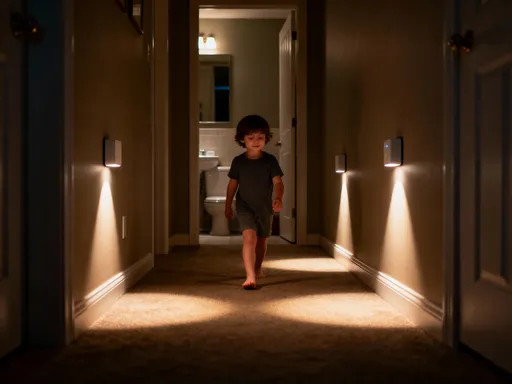
For example, I use a smart thermostat that learns our schedule and adjusts the temperature automatically. But I don’t let it run everything. I still adjust it by hand sometimes, especially when the kids are sick. I’ve also set up motion sensors in key areas, but I only get alerts if something unusual happens—like if no one leaves a bedroom by 9 AM on a school day. I don’t get pings every time someone walks down the hall. That would be overwhelming. Instead, the system filters out the noise and only tells me what matters.
I also turned off voice recording on my smart speaker. I love asking it to play music or set timers, but I don’t want it listening all the time. Most devices let you disable that feature or delete recordings with a tap. That small choice made me feel more in control. I also talked to my kids about what each device does and why we have it. My daughter asked, “Are you spying on me?” I said, “No. I’m just trying to make sure you’re safe and comfortable. Like how I used to peek into your room at night—this is just a quieter way to do that.” She nodded and said, “As long as it doesn’t tell you when I eat cookies after bedtime.” We both laughed. That conversation was more important than any gadget.
The goal isn’t to automate parenting. It’s to create space for more meaningful connection. When I’m not constantly wondering if my son is too cold at night or if my daughter slept well, I can show up more fully during breakfast, homework time, or bedtime stories. The tech handles the small worries. I get to focus on the big things—love, guidance, and presence. And that, to me, is the real win.
Real Conversations, Real Connections
One of the most unexpected benefits of using these tools has been the conversations they’ve sparked. I didn’t expect my kids to care about sleep data or room temperature, but they did. My daughter started asking why the app said she had “restless sleep” three nights in a row. Instead of lecturing her about screen time, I showed her the data side by side with her evening routine. We noticed a pattern: on nights she used her tablet past 8:30, her sleep score dropped. On nights she read a book, it was higher. She wasn’t upset. She was curious. “Huh,” she said. “I guess my brain doesn’t shut off as fast.” That led to a calm discussion about winding down—and she actually chose to put the tablet away earlier the next week.
My son, who’s more private, didn’t say much at first. But after a few weeks, he started commenting on the room temperature. “It’s too hot in here,” he’d say, and I’d check the app. Sure enough, the sensor showed it was 76 degrees—warmer than our usual 70. We adjusted the thermostat together. He didn’t feel controlled. He felt heard. These small moments added up. The technology didn’t replace our relationship. It gave us new ways to understand each other.
And honestly, it helped me be a better listener. Instead of jumping in with solutions—“You need to sleep more!” “You should eat better!”—I could say, “I noticed something in the data. Want to talk about it?” That small shift—from telling to asking—made a big difference. It turned potential conflicts into collaborations. We weren’t fighting about habits. We were exploring them together. That’s the kind of parenting I want to do—calm, connected, and kind.
What It Means to Be a Calmer, More Confident Parent
Over time, I’ve noticed a shift—not just in how I manage my kids’ health, but in how I feel as a mother. I used to carry a low hum of anxiety, always wondering if I was doing enough. Was I missing a symptom? Was I pushing too hard? Was I too relaxed? Now, that noise has quieted. I still worry—because that’s part of loving someone deeply. But my worry doesn’t spiral. I have tools that help me check in, not check up. I can look at a trend, trust the data, and respond with clarity instead of panic.
There was a week last winter when my son seemed tired but insisted he was fine. The sleep monitor showed he was waking up multiple times a night. The air quality sensor flagged high humidity in his room. I checked the window—it was slightly open, letting in cold, damp air. We adjusted the vent, used a dehumidifier, and within two nights, his sleep improved. I didn’t need to drag him to the doctor or force him to stay home. I just made a small change—and it worked. That moment meant more than the fix. It meant I trusted myself. I wasn’t guessing. I was responding with care and confidence.
That confidence has rippled into other parts of parenting. I’m more patient. I listen more. I don’t rush to fix everything. I’ve learned that being present doesn’t mean being perfect. It means being aware, responsive, and kind. And having a little quiet support from my home has made that possible. I’m not outsourcing love. I’m enhancing it—with tools that help me show up as the parent I want to be.
Building a Home That Cares, Together
This journey hasn’t been about creating a high-tech fortress or turning my house into a hospital. It’s been about designing a space that reflects my love—thoughtful, attentive, and warm. The smart devices I use aren’t replacements for bedtime hugs, kitchen talks, or weekend walks. They’re quiet supporters of those moments. They help me protect the time and energy I have, so I can give more of myself when it matters most.
Every parent wants to show up fully—for the big moments and the small ones. But we’re also tired, busy, and human. We can’t catch every sign, remember every detail, or be everywhere at once. And that’s okay. What matters is that we care—and that we’re open to new ways of showing it. Smart home technology, when used with intention, can be one of those ways. It’s not about control. It’s about care. It’s not about watching. It’s about noticing. And it’s not about replacing love—it’s about making room for more of it.
If you’ve ever looked at your child and wondered, “Are they really okay?”—you’re not alone. And you don’t have to choose between staying busy and staying connected. With a few simple, thoughtful tools, your home can help you keep that connection alive—quietly, gently, and every single day. Because at the end of the day, parenting isn’t about doing everything yourself. It’s about building a life—room by room, moment by moment—where love has the space to grow.