Installed 3 Smart Lights at Home: Now My Kids Sleep Easier and I Worry Less at Night
You know that quiet moment after the kids are finally in bed? I used to spend it tiptoeing through the dark, checking rooms, worrying if my child was afraid of the shadows or if someone might trip on the stairs. It felt like constant low-level anxiety. Then I tried something simple—smart safety lighting. Not flashy tech, just gentle, automatic lights that turn on when needed. Within days, everything shifted. The house felt safer, calmer, and my family moved through the night with confidence. Let me tell you how this small change made a big difference.
The Nighttime Worry No Parent Talks About
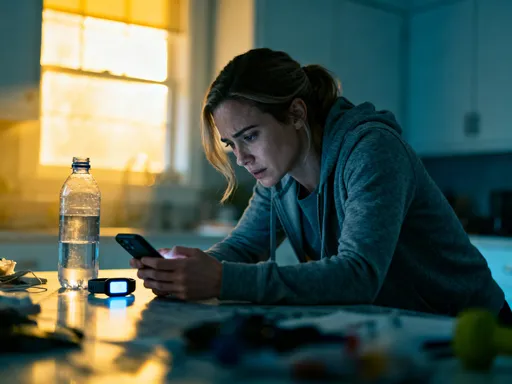
It’s 10:30 p.m. The dishes are done, the toys are (mostly) picked up, and the kids are tucked in with goodnight kisses. You finally sit down, ready to exhale. But then—your mind starts racing. Did I check the back door? Is the hallway too dark if someone needs to get up? What if my daughter wakes up scared again? These thoughts aren’t dramatic, but they’re persistent. They wear you down, one silent worry at a time.
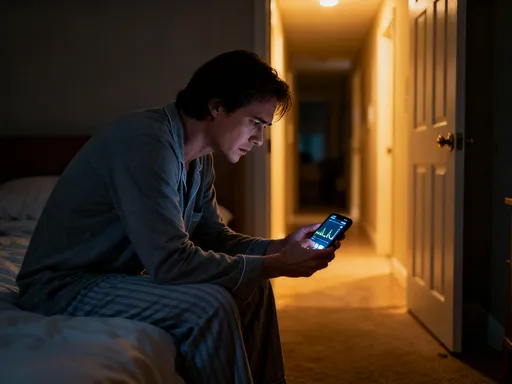
I didn’t realize how much energy I was spending on nighttime vigilance until I stopped. For years, I’d wake up at every creak, check the kids’ rooms with my phone flashlight, and walk the house in bare feet just to make sure everything was okay. My son used to call out, “Mom, I’m scared of the dark!” and I’d rush in, flip on the bright overhead light, and disrupt his sleep—and mine. I thought this was just part of parenting. But it wasn’t just about the kids. I was afraid too—not of monsters, but of accidents. A fall down the stairs. A stubbed toe in the hallway. A panic attack in the dark.
Then one night, I broke down and whispered to my husband, “I can’t keep doing this. I’m so tired.” That’s when we started looking for real solutions, not just coping. We didn’t need a security system or a baby monitor upgrade. We needed light—thoughtful, gentle, automatic light. Something that didn’t demand anything from me but still kept everyone safe. That’s how I discovered smart lighting designed for real life, not tech showrooms.
How a Simple Light Changed Our Routine
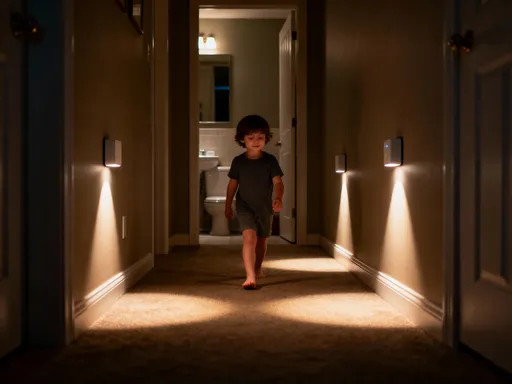
The first change was small: I plugged in a motion-sensing nightlight in the hallway outside the kids’ rooms. It was warm white, not harsh blue, and it only came on when someone walked by. I didn’t expect much—just maybe fewer trips to guide a sleepy child to the bathroom. But what happened surprised me.
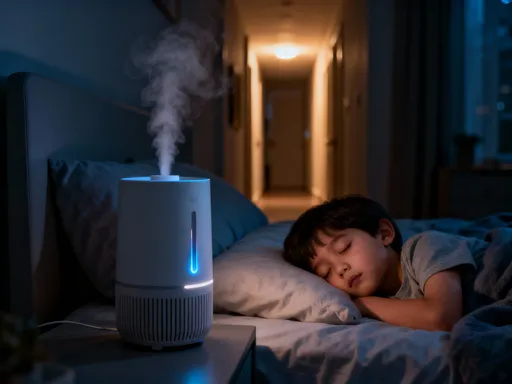
That same week, my son got up in the middle of the night for water. I heard him stir, but instead of calling out, he quietly got out of bed, walked down the hall, took a drink, and went back to sleep. No lights blazing. No crying. No me rushing in half-awake. In the morning, he said, “The floor wasn’t scary. The light came on by itself!”
That moment hit me hard. He didn’t feel alone. He didn’t feel afraid. The light had done what I couldn’t do every single night—be there, quietly, without making a fuss. It wasn’t just convenient. It was empowering—for him and for me. I realized then that lighting isn’t just about seeing; it’s about feeling safe. And when a child feels safe, they sleep better, behave better, and grow with more confidence.
Within days, I noticed fewer bedtime battles. My daughter stopped asking for the door to stay open. My husband stopped tripping over shoes in the hall. We were all moving through the house at night like we belonged there, not like we were sneaking through someone else’s home. The anxiety that used to hum in the background? It started to fade.
Choosing the Right Lights for Real Family Life
When I first looked into smart lights, I was overwhelmed. So many options. So many apps. So many promises. I didn’t want a tech project. I wanted something that worked—simply, reliably, and safely. My number one rule? If it’s hard to set up, my family won’t use it. And if it gets too hot or blinks weirdly, my kids will be scared, not soothed.
So I focused on three things: ease of use, safety, and comfort. I looked for lights with warm color tones—around 2700K, like a soft lamp, not a hospital hallway. I wanted motion sensors that turned on gently, not suddenly. And I needed lights that stayed cool to the touch, especially since my youngest still explores everything with his hands.
I started with plug-in motion lights for the hallway and upstairs bathroom. They’re low-cost, easy to move, and don’t require wiring. Then I added a smart bulb in my daughter’s room that I can control from my phone. She loves picking the color—we use a soft lavender at bedtime and a warm sunrise tone in the morning. The key was placement: lights near the floor for little legs, along walking paths, and in transition spaces like stairs and doorways.
One thing I learned quickly: not all motion sensors are the same. Some turn on too easily—triggered by pets or drafts. Others don’t reach far enough. I found that lights with adjustable sensitivity and a 120-degree detection range worked best. And I made sure they had an auto-off feature, so they don’t stay on all night wasting energy. It’s not about having the fanciest gear. It’s about finding what fits your home and your family’s rhythm.
Teaching Kids Independence—One Step at a Time
One of the most unexpected benefits was how much more independent my kids became. My daughter, who used to call me every night to help her go to the bathroom, now goes on her own. She says, “The light shows me the way.” And it’s true—the motion light in the hall turns on as soon as she opens her door, guiding her step by step.
This might sound small, but it’s huge. Every time she does something on her own, her confidence grows. She’s learning that she can navigate the world—even in the dark—without needing me to lead the way. That’s not just about bathroom trips. It’s about building a sense of safety and control that will serve her for life.
I’ve also noticed she’s less anxious at bedtime. She knows the house isn’t scary because it’s not pitch black. She can see her stuffed animals. She can see the door. And if she wakes up, the light comes on softly, so she doesn’t feel startled. We’ve even started using a bedtime routine where she “checks” the lights with me, like a little safety captain. She turns off her lamp, says, “The house is ready,” and feels proud.
For younger kids, predictability is everything. When they know what to expect—like a soft glow when they get up—it reduces fear and resistance. And for parents, it means fewer interruptions, better sleep, and more peace. This isn’t about pushing kids to grow up too fast. It’s about giving them the tools to feel secure as they do.
Peace for Everyone—Even When I’m Not There
Here’s something I didn’t expect: smart lighting gives me peace even when I’m not at home. Last month, I had to stay late at a work event. I was anxious, wondering if the kids were okay, if the house was safe, if my husband remembered to turn on the nightlights.
Then I opened my phone and checked the app. With one tap, I could see that the hallway light was on. I could turn on the bathroom light remotely in case someone needed it. I even set a schedule so the lights would turn on at 7 a.m. to help with morning routines. It wasn’t about control. It was about connection. Knowing the house was lit made me feel closer to my family, even from miles away.
My husband uses the system too. He likes that he can turn off all the lights with one button before bed, instead of walking around the house. And when the kids have friends over, he can set a “guest mode” with brighter lighting in common areas, so everyone feels welcome and safe.
This isn’t surveillance. It’s support. It’s like having a quiet helper who makes sure everything runs smoothly, even when you’re busy, tired, or away. And for a parent, that mental space is priceless. I’m not constantly wondering, “Did I forget something?” I can focus on my work, my rest, my marriage—because I know the house is looking out for the kids.
Beyond Safety—Lighting That Soothes and Supports Growth
Once we got the basics down, we started exploring how light affects more than just visibility. We added a sunrise alarm clock in my daughter’s room. Every morning, it slowly brightens, mimicking a natural sunrise. No more jarring beeps. No more groggy tears. She wakes up gently, often before the alarm, and says, “It feels like the sun is hugging me.”
That small change improved our mornings dramatically. She’s in a better mood. She gets dressed faster. She’s even started reading quietly in bed before getting up—something she never did when mornings began with a loud alarm. We’ve done the same in our bedroom, and my husband says he feels more alert and less stressed when he wakes up now.
Lighting has also helped us create calmer evening routines. We use dimmable smart bulbs in the living room to signal that it’s time to wind down. The warm glow tells our brains, “It’s almost bedtime.” We’ve replaced screen time with quiet reading, and the kids actually look forward to it. The house feels cozier, slower, more intentional.
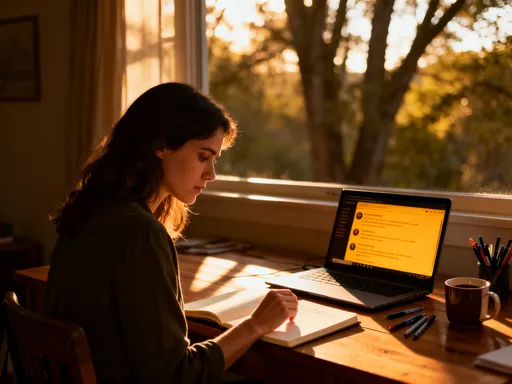
I’ve even started journaling at night with just a small lamp and soft background light. It’s become my moment of reflection, gratitude, and calm. The right lighting doesn’t just keep us safe—it helps us grow, rest, and connect in deeper ways. It shapes the mood of our home, not just the visibility.
Making It Work for Your Home—Simple Steps to Start
If you’re thinking about trying smart lighting, I’ll be honest: you don’t need to do it all at once. In fact, I recommend starting small. Pick one area where nighttime movement is common—like the hallway, stairs, or bathroom. Get one or two motion-sensing nightlights and plug them in. See how your family responds.
Look for lights with warm tones, reliable sensors, and easy installation. Many are available for under $20 and don’t require an electrician. Test them for a week. Ask your kids how they feel. Notice if there are fewer bumps, calls, or fears. Adjust the placement or sensitivity as needed.
If you like the results, expand slowly. Add a smart bulb in a bedroom or set up a simple schedule for morning and evening lighting. Use your phone to control lights remotely, or set them to turn on at sunset. The goal isn’t a high-tech home—it’s a more peaceful, functional one.
And remember: this isn’t about perfection. It’s about progress. One light can make a difference. One soft glow in the dark can change how your family moves through the night. You don’t need to be a tech expert. You just need to care about your family’s comfort and safety—and that’s already enough.
Conclusion
This wasn’t about upgrading technology—it was about reclaiming peace. Smart lighting became a quiet partner in parenting, safety, and self-care. It didn’t change my house; it changed how we live in it. And sometimes, the smallest light can guide the biggest shift.
I no longer dread the quiet hours after bedtime. I don’t tiptoe. I don’t worry. My kids move through the night with confidence. My home feels like a sanctuary, not a maze of shadows. And I’ve found more space—for rest, for connection, for being present.
Technology doesn’t have to be complicated to be meaningful. Sometimes, it’s just a soft glow in the hallway, turning fear into comfort, and exhaustion into ease. If you’re carrying the weight of nighttime worry, I want you to know: there’s a simpler way. Start with one light. Let it guide you. And see how much lighter everything feels.