Tired of Your Workday Blending into Your Home Life? Here’s How I Reclaimed Both
Ever feel like your home office has taken over your life? You’re not alone. I used to wake up stressed, check emails in bed, and work through dinner—until I discovered how simple online communities transformed my routine. These forums didn’t just offer tips—they gave me real, human solutions that fit my life. Now, my workday ends on time, my space feels peaceful, and I actually enjoy working from home. Let’s talk about how small changes, shared by real people, can make your days calmer, clearer, and truly yours again.
The Blur Between Work and Home: A Modern Struggle
Remember when the biggest challenge of working from home was resisting the urge to nap on the couch? That’s not the reality for most of us anymore. What started as a flexible dream has, for many, turned into a 24/7 work blur. The kitchen table becomes a desk. The living room doubles as a conference room. And before you know it, your entire home carries the quiet hum of unfinished tasks. I was deep in it—waking up, reaching for my phone before my feet even hit the floor, scrolling through messages that felt urgent but rarely were. Breakfast? Skipped. Shower? Delayed. By 9 a.m., I was already mentally drained, and the day had just begun.
What I didn’t realize then was that this wasn’t just about being busy—it was about losing boundaries. When your workspace is also where you cook, relax, and spend time with family, it’s easy to feel like you’re never really off. There’s no commute to mark the end of the workday, no closing of an office door to signal it’s time to shift gears. So, work lingers. Emails pile up in the back of your mind. You eat dinner while answering messages, and you go to bed thinking about tomorrow’s to-do list. Over time, this constant overlap started affecting my mood. I became irritable. My focus wavered. And I noticed my daughter would quietly ask, ‘Mom, are you working again?’ even when I was sitting right beside her.
This emotional toll isn’t just mine—it’s shared by millions of remote workers, especially women managing both professional responsibilities and household rhythms. The flexibility we were promised sometimes feels more like an invisible leash. And the worst part? We often blame ourselves. We think we should be able to ‘handle it all.’ But the truth is, no one is built to thrive in a world without clear separation. We need signals—small, intentional cues—that tell our brains when it’s time to work and when it’s time to rest. Without them, we risk burning out, not because we’re weak, but because we’re human.
Finding Connection in Unexpected Places: The Power of Experience Forums
One evening, after yet another day of feeling scattered and overwhelmed, I did what so many of us do—I turned to the internet. I typed into the search bar: ‘How do you stop working from home from taking over your life?’ What I found surprised me. Not flashy ads or rigid productivity plans, but real people sharing real stories in online experience forums. These weren’t tech experts or life coaches. They were moms, freelancers, part-time workers, and full-time remote employees—people just like me—talking openly about their struggles and small wins.
One post that stayed with me was from a woman named Sarah in Ohio. She wrote, ‘I used to answer emails during bath time. Then I realized I wasn’t just losing time—I was losing presence.’ She shared how she started a simple ritual: putting on actual work clothes each morning, even if she wasn’t leaving the house. It wasn’t about looking professional for anyone else—it was about signaling to herself that the workday had begun. That small act created mental separation. Another user, a dad from Canada, talked about how he ‘shut down’ his workday by closing his laptop, saying out loud, ‘Work is done,’ and walking to the back porch for five minutes of quiet. These weren’t grand solutions. They were simple, human, and deeply practical.
Reading those stories, I felt something I hadn’t in months: relief. I wasn’t failing. I wasn’t lazy. I was just missing the kind of support that doesn’t come from corporate policies or time-tracking apps—it comes from other people who’ve been in the trenches. These forums didn’t offer perfection. They offered permission—to try, to fail, to adjust. And most importantly, they reminded me that I wasn’t alone. That sense of connection became the first step toward change. Because when you feel seen, you’re more willing to take care of yourself.
Small Rituals, Big Changes: Designing a Personalized Routine
After weeks of reading and reflecting, I decided to start small. No drastic overhauls. No complicated systems. Just one or two changes that felt doable. I began with the idea that resonated most: dressing for work. The next morning, instead of rolling out of bed in pajamas and heading straight to my laptop, I put on jeans, a sweater, and even brushed my hair. It felt a little silly at first—like playing dress-up—but within days, I noticed a shift. Getting dressed became a quiet declaration: ‘Today matters. This time matters.’ It wasn’t about impressing anyone; it was about honoring the work I was about to do.
Then I added a closing ritual. At 5:30 p.m., I’d close my laptop, write down the next day’s top three priorities, and light a candle on my desk. That candle became my signal: work is done. Sometimes I’d take a short walk around the block. Other days, I’d sit quietly with a cup of tea. The point wasn’t the activity itself—it was the intention behind it. These rituals weren’t rigid rules. If I had a late meeting, I’d adjust. If I felt inspired to keep working, I’d allow it—but only after checking in with myself first. Over time, these small habits built a rhythm that felt natural, not forced.
What surprised me most was how these changes started to affect other areas of my life. Because I was more present during work hours, I actually finished tasks faster. Because I had a clear end to my day, I felt more relaxed in the evenings. And because I was no longer carrying work stress into family time, my relationships improved. My daughter started saying, ‘Mom, you seem happier.’ That, more than anything, told me I was on the right track. These rituals weren’t just about productivity—they were about reclaiming my energy and my peace.
Creating Physical and Mental Boundaries at Home
While the rituals helped, I realized I needed more than just mental shifts—I needed physical ones too. I was still working from the dining table, surrounded by half-empty coffee mugs and school papers. There was no visual separation between work and home life. So, I looked to the forums again. One woman shared how she turned a corner of her guest room into a ‘work nook’ using a folding screen and a small desk. Another used a specific lamp that she only turned on during work hours. These ideas sparked something in me: maybe I didn’t need a full home office—just a defined space.
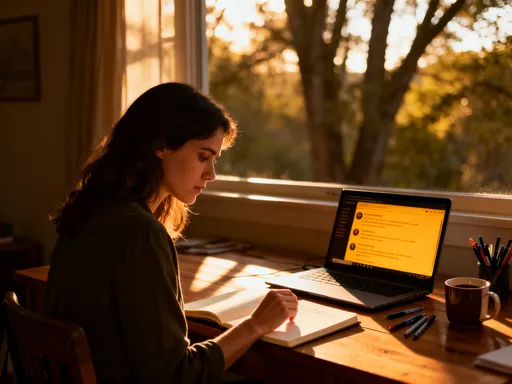
I rearranged my living room slightly, moving a small desk into a quiet corner near the window. I added a soft rug, a plant, and a lamp with warm light. I made it clear to my family: when I’m at that desk with the lamp on, I’m in work mode. When the lamp is off, I’m available. It sounds simple, but the impact was immediate. That little space became my zone of focus. And when I stepped away, I could truly step away. My husband noticed. My daughter started respecting the boundary too—she’d wait to show me her drawings until after my ‘work light’ was off.
A few weeks later, my neighbor stopped by and said, ‘You seem lighter lately. Did something change?’ I realized she was right. I did feel lighter. Creating that physical boundary had lifted a mental weight. It wasn’t about perfection—it was about intention. And when your environment supports your goals, it’s easier to stay on track. These small changes didn’t require a renovation or a big budget. They just required attention. And that attention paid off in clarity, calm, and a sense of control I hadn’t felt in years.
Learning from Real People: The Wisdom of Shared Experience
One of the most powerful things about the forums was the diversity of voices. There was no single ‘right way’ to work from home. A single mom in Texas shared how she used her kids’ nap time for deep work and kept a notepad by the couch for quick ideas. A freelancer in Oregon talked about working in two-hour blocks and taking long breaks to walk her dog. A corporate manager in Michigan used her lunch break to practice yoga, saying it helped her return to work with a clearer mind. These weren’t cookie-cutter solutions—they were personalized strategies born from real life.
What struck me was how these stories shifted my mindset. I used to think productivity meant long hours and constant availability. But seeing how others defined success—calm, focus, balance—helped me redefine it for myself. One post from a woman named Lisa stood out: ‘I used to measure my day by how much I did. Now I measure it by how I felt.’ That line stayed with me. It reminded me that well-being isn’t the opposite of productivity—it’s the foundation of it.
These shared experiences also reduced the isolation I didn’t even know I was feeling. When you’re working from home, it’s easy to feel like you’re the only one struggling. But reading about others who faced the same challenges—guilt over not doing enough, fear of falling behind, the pressure to be ‘always on’—helped me feel less alone. It wasn’t about comparison. It was about connection. And that connection built trust—not just in the community, but in myself. I started to believe that I could find my own way, too.
Integrating Technology Without Letting It Take Over
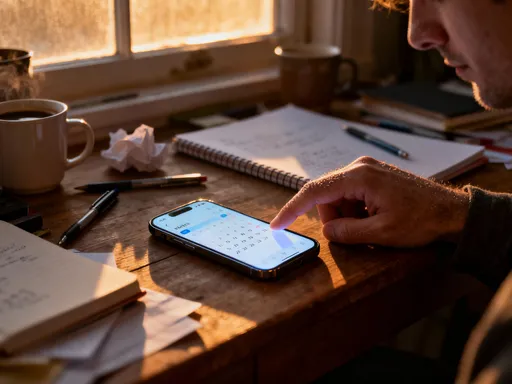
Technology was both the problem and part of the solution. On one hand, my phone and laptop made it too easy to stay connected. On the other, they could help me set boundaries—if I used them intentionally. Again, the forums offered practical ideas. One user suggested using a simple timer app to work in 45-minute blocks with 15-minute breaks. Not to track every second, but to create rhythm. Another shared how she turned off all work-related notifications after 6 p.m. using her phone’s settings. She called it her ‘digital curfew.’
I started small. I downloaded a basic timer and used it during my work blocks. No fancy features. No data tracking. Just a gentle chime to remind me to pause. I also set up ‘Do Not Disturb’ mode on my phone from 7 p.m. onward, allowing only calls from family. At first, I worried I’d miss something important. But nothing urgent ever came up. Instead, I noticed how much more present I felt during dinner, how much better I slept, and how much more I enjoyed reading before bed.
The key was remembering that technology should serve me, not control me. These tools weren’t about adding more complexity—they were about creating space. When I stopped letting my devices dictate my time, I regained a sense of agency. I wasn’t ignoring work—I was protecting my life. And that made me more focused and efficient during work hours. It’s a simple truth: when you design your tech use with intention, it becomes a helper, not a hijacker.
A Calmer, More Intentional Life: What Changed Beyond Work
The most unexpected part of this journey was how the changes spilled into every area of my life. Because I was no longer drained by the end of the day, I had energy for things I’d long neglected. I started cooking real meals again. I joined a local gardening group. I even picked up watercolor painting—a hobby I’d loved in college but abandoned. These weren’t grand achievements. They were small acts of self-care that reminded me I was more than my job.
My relationships improved too. I was more patient with my family. I listened better. I laughed more. And I started setting boundaries in other areas—saying no to extra commitments, protecting my weekends, and making time for rest without guilt. The confidence I gained from creating a balanced workday gave me the courage to design a more intentional life overall.
Looking back, I realize the forums didn’t give me a perfect system. They gave me something better: permission to be human. They reminded me that change doesn’t have to be dramatic to be meaningful. A ritual, a corner of a room, a timer, a shared story—these small things, when woven together, can transform how we live. I still have busy days. I still get stressed sometimes. But now, I have tools, support, and a deeper sense of peace. And that makes all the difference. Because a good life isn’t about doing more. It’s about feeling present, connected, and in control of your time and your energy. And that’s a feeling worth creating, one small step at a time.